
Bringing your newborn baby home is one of the most special moments in a family’s life. After months of waiting, planning, and excitement, you finally get to welcome your little one into your home.
However, preparing for a newborn involves more than buying baby clothes and decorating a nursery. Parents also need to think about baby safety, sleeping arrangements, feeding supplies, hygiene, and everyday care.
A little preparation before delivery can make the first few weeks easier, especially for first-time parents.
In this guide, BornCares shares practical tips to help you prepare your home, organize newborn essentials, and create a comfortable and safe environment for your baby’s arrival.
1. Prepare a Safe and Comfortable Sleeping Space
Your baby’s sleeping environment is one of the most important things to prepare before delivery.
Newborns sleep for many hours throughout the day and night, so having a safe and comfortable sleeping space is essential.
What should you prepare?
- A separate baby cot, bassinet, or approved infant sleep space.
- A firm, flat mattress designed for the sleep space.
- A properly fitted mattress sheet.
- A comfortable room temperature.
- A clean and well-ventilated sleeping area.
Important newborn sleeping safety tips
- Always place your baby on their back for every sleep.
- Keep pillows, blankets, stuffed toys, and loose bedding out of the sleeping space.
- Avoid placing the baby on sofas, adult beds, or soft surfaces for sleep.
- Keep the baby’s sleep space in the parents’ bedroom, ideally for at least the first six months.
- Avoid overheating your baby.
A safe sleeping environment helps reduce the risk of sleep-related infant deaths.
2. Arrange Newborn Clothing and Daily Essentials
Newborns need comfortable clothing made from soft, breathable materials. You do not need to purchase too many clothes before delivery because babies grow quickly.
Newborn clothing checklist
- 5–7 comfortable cotton outfits.
- 4–6 soft cotton vests or bodysuits.
- 2–3 lightweight caps, depending on the weather and need.
- 4–6 pairs of socks.
- Soft baby towels.
- Muslin cloths or burp cloths.
- Comfortable baby blankets for supervised use when appropriate, not loose in the sleep space.
Choose clothes that are easy to put on and remove. Wash new clothes with a gentle, fragrance-free detergent before using them.
3. Prepare Feeding Essentials
Feeding is one of the first routines parents establish after bringing their baby home.
Whether you plan to breastfeed, formula-feed, or use a combination, organize the necessary supplies in advance.
For breastfeeding mothers
- Nursing bras.
- Breast pads.
- Comfortable feeding pillows.
- Muslin cloths.
- Breast pump, if needed.
- Clean milk-storage containers, if expressing milk.
For formula-feeding families
- Age-appropriate infant formula as advised.
- Feeding bottles.
- Appropriate teats.
- Bottle-cleaning brush.
- Sterilizing equipment or an appropriate sterilization method.
Follow safe formula preparation and storage instructions. Do not prepare formula using incorrect water-to-powder ratios.
Tip: Discuss your feeding plan with your pediatrician or lactation professional before delivery if you have questions.
4. Set Up a Baby Diaper-Changing Station
Newborn babies need frequent diaper changes. Having all the essentials in one place can make daily care easier.
Diaper-changing checklist
- Newborn-size diapers.
- Soft cotton pads or suitable baby wipes.
- A washable changing mat.
- Clean baby clothes.
- Soft towels.
- Suitable barrier cream.
- A diaper disposal bin.
Keep everything within easy reach, but never leave your baby unattended on a raised changing surface.
Change wet or dirty diapers promptly and clean your baby’s delicate skin gently.
5. Keep Baby Bathing and Hygiene Supplies Ready
Newborn skin is delicate and needs gentle care. Before your baby arrives, prepare a small collection of basic hygiene products.
Baby hygiene checklist
- Soft cotton towels.
- Gentle, fragrance-free baby cleanser.
- Soft washcloths.
- Clean cotton clothing.
- Baby nail clippers designed for infants.
- A small baby bathtub, if you plan to use one.
- Clean diapers and changing supplies.
Important bathing tips
- Newborns do not need a bath every day.
- Use comfortably warm water, not hot water.
- Never leave your baby alone in the bath, even for a few seconds.
- Support your baby’s head and neck while bathing.
- Dry your baby gently, especially around skin folds.
- Follow your healthcare professional’s advice about bathing before the umbilical cord stump falls off.
Keep the bathing area warm and prepare all supplies before starting.
6. Make Your Home Safe for a Newborn
Before bringing your baby home, look around your house from a safety perspective.
Even though newborns are not yet mobile, preparing a safe environment from the beginning helps establish good habits.
Home safety checklist
- Keep medicines, cleaning products, and chemicals locked away.
- Cover or secure electrical outlets where appropriate.
- Keep hot drinks and hot food away from the baby.
- Avoid smoking inside the home.
- Keep pets supervised around the baby.
- Secure heavy furniture and prevent objects from falling.
- Maintain clean floors and clear walking spaces.
- Keep emergency contact numbers accessible.
Maintain a comfortable environment
Your newborn does not need an excessively decorated or crowded room. A clean, calm, well-ventilated environment with comfortable temperature and lighting is usually more practical.
Avoid strong room fragrances, incense smoke, and mosquito coils near the baby.
7. Prepare a Small Baby Medical and Emergency Kit
It is useful to keep basic health-related supplies organized before your baby’s arrival.
Consider preparing:
- A digital thermometer.
- Pediatrician’s contact information.
- Emergency contact numbers.
- A notebook or digital record for feeding and diaper changes.
- Any healthcare products specifically recommended by your pediatrician.
- Important hospital and discharge documents.
Do not give medicines, supplements, gripe water, or home remedies without appropriate medical advice.
Important: If a newborn younger than three months develops a temperature of 38°C (100.4°F) or higher, seek immediate medical assessment.
8. Prepare Yourself for the First Few Weeks After Delivery
Preparing your home is important, but preparing for the mother’s recovery is equally important.
The first few weeks after delivery can involve physical recovery, interrupted sleep, feeding adjustments, and emotional changes.
How can families prepare?
- Arrange comfortable resting space for the mother.
- Keep drinking water and healthy meals accessible.
- Organize essential baby-care supplies near the feeding area.
- Plan help from family members for everyday household responsibilities.
- Arrange transportation for medical appointments.
- Discuss postnatal check-ups with the healthcare provider.
- Allow the mother time to rest and recover.
Every mother’s recovery is different. Follow the medical advice provided by the doctor, especially after a C-section or a complicated delivery.
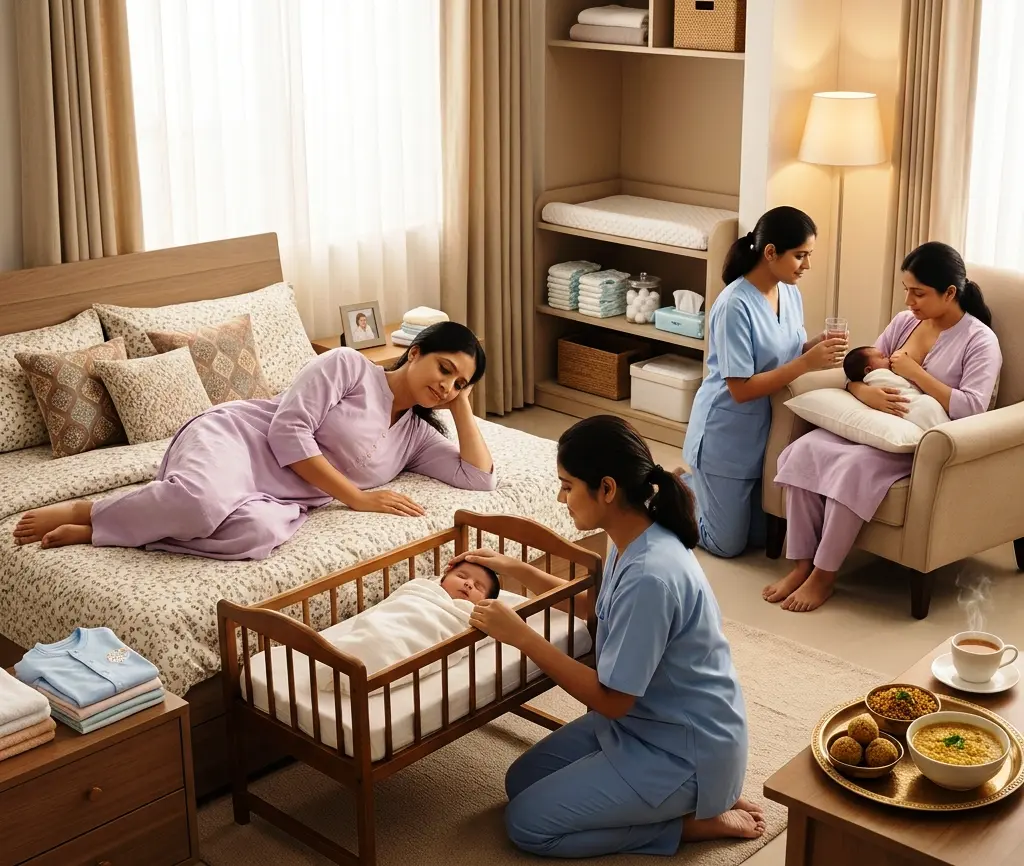
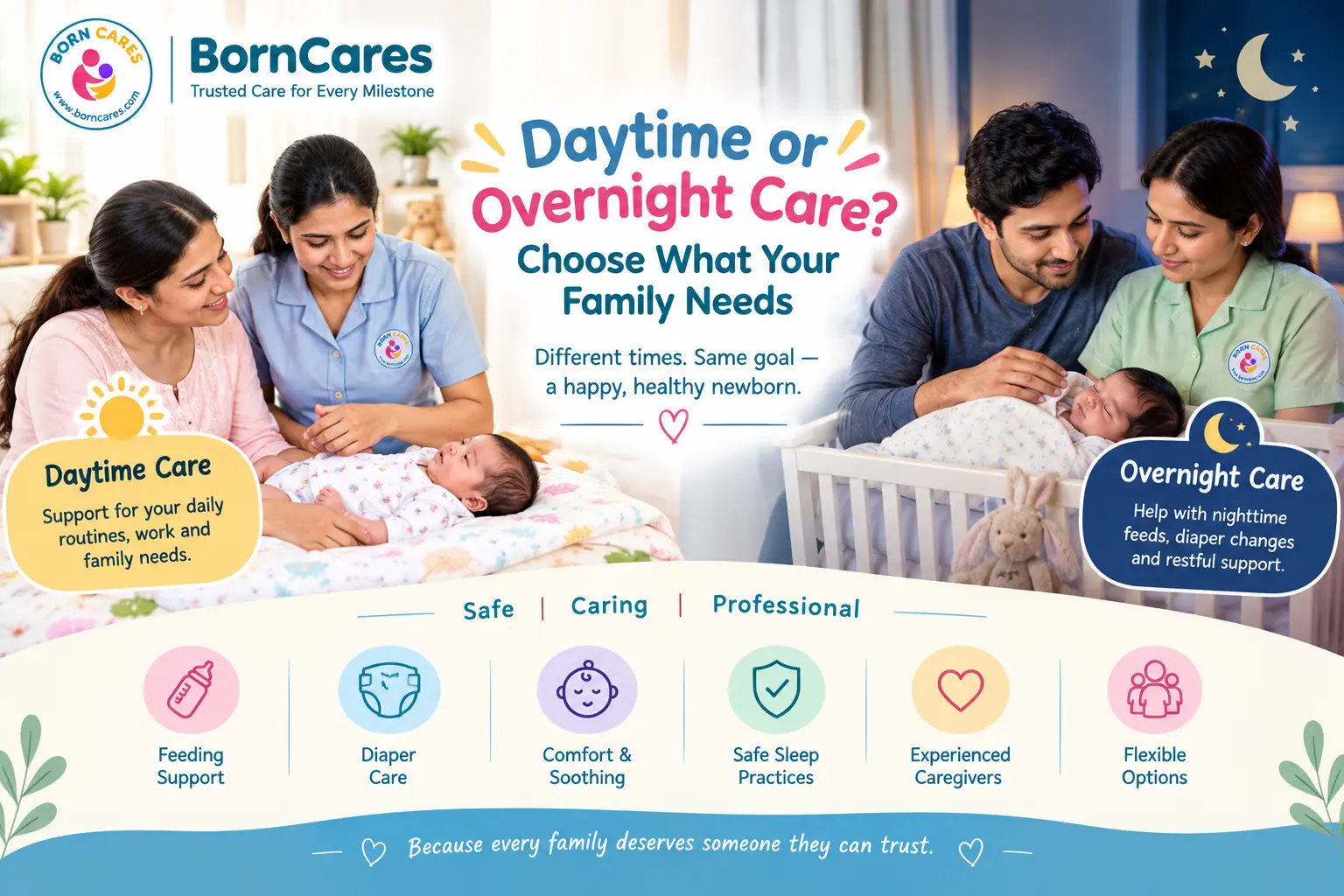
9. Arrange Support for Newborn Care at Home
Taking care of a newborn can be demanding, particularly for first-time parents. Having suitable support at home may make everyday responsibilities easier.
Families can consider arranging help before the baby’s arrival so that care arrangements are not rushed after delivery.
Depending on your requirements, support may include:
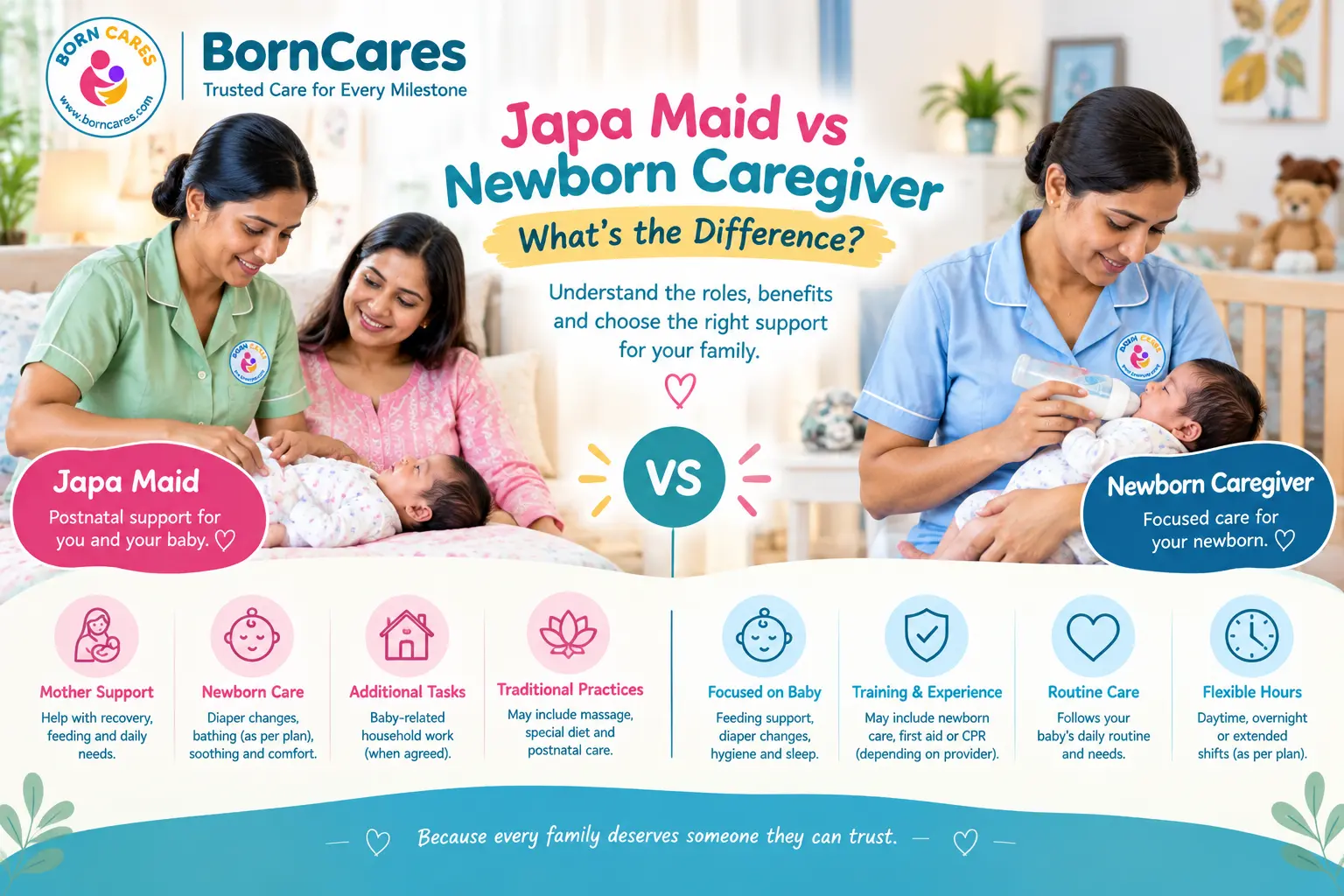
Newborn Caregiver
- Assistance with everyday newborn care.
- Diaper changing and baby hygiene.
- Burping and soothing assistance.
- Following the parents’ feeding instructions.
- Maintaining baby-care essentials.
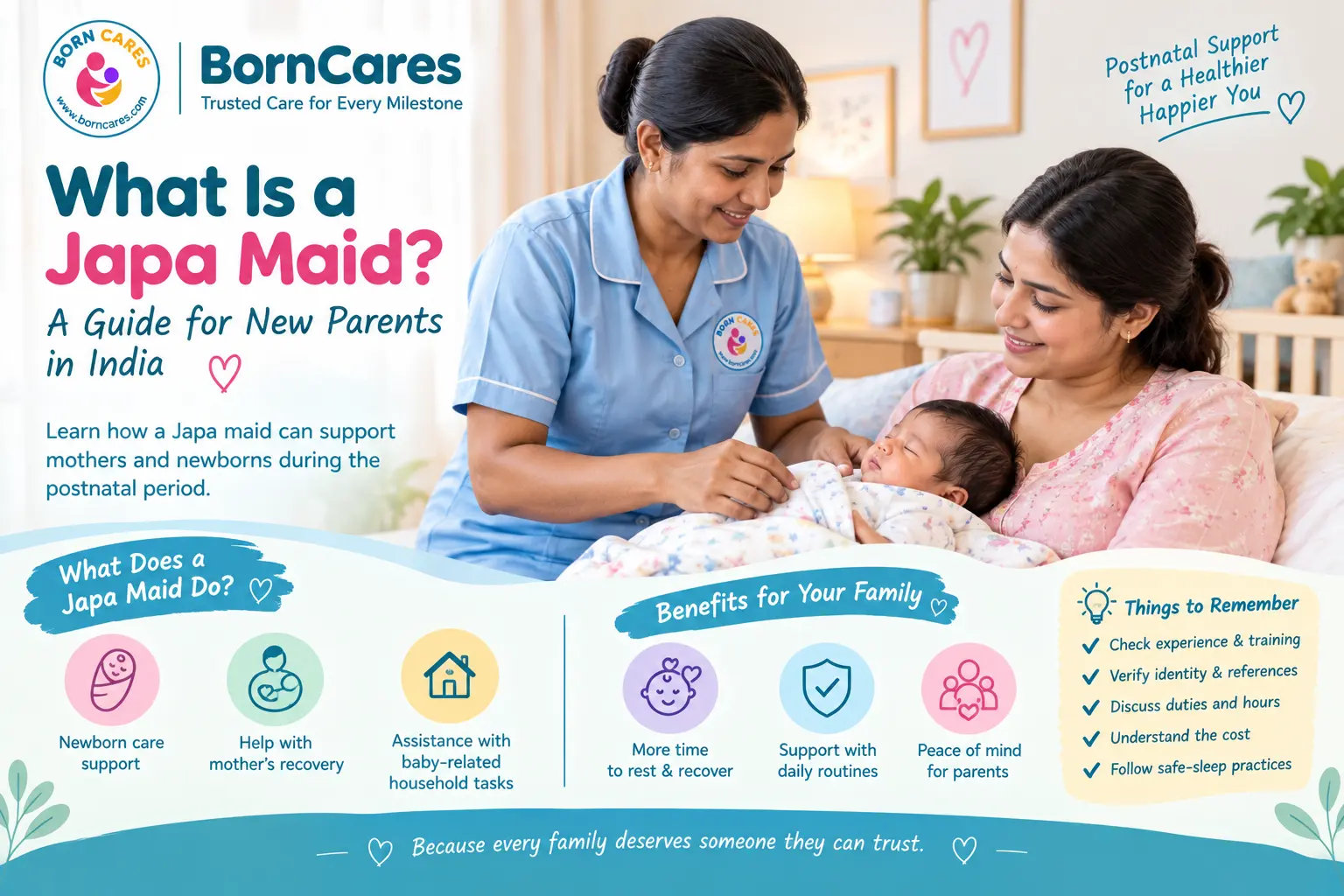
Japa Maid / Postnatal Support
- Practical assistance with newborn-care routines.
- Help organizing baby essentials.
- Support with agreed baby-related household tasks.
- Assistance that allows the mother more opportunities to rest.
Babysitter or Nanny
- Childcare support as the baby grows.
- Assistance with established daily routines.
- Flexible childcare arrangements according to family requirements.
Before hiring anyone, check their experience, identity, references, hygiene knowledge, and understanding of safe newborn care.
Remember that a caregiver provides practical support and does not replace qualified medical professionals.
10. Pack Your Hospital-to-Home Bag in Advance
Packing essential items before delivery can help avoid last-minute stress.
Baby essentials
- 2–3 newborn outfits.
- Soft cotton cap and socks.
- Newborn diapers.
- Muslin cloths.
- Soft baby towel.
- Going-home outfit.
- Suitable infant car seat for the journey by car.
Mother’s essentials
- Comfortable maternity clothes.
- Nursing bras and breast pads.
- Maternity sanitary pads.
- Toiletries.
- Comfortable footwear.
- Important hospital documents.
- Phone charger and personal essentials.
Keep the bag in an easily accessible place so it is ready when needed.
11. Create a Simple Newborn Daily Routine
Newborns do not follow a strict timetable, but maintaining a flexible routine can help parents understand their baby’s needs.
Here is an example of activities that may happen throughout the day:
| Daily activity | What parents can do |
|---|---|
| Feeding | Follow baby’s hunger cues and feeding plan |
| Diaper changes | Check and change diapers regularly |
| Burping | Gently burp when needed |
| Sleeping | Follow safe sleep practices every time |
| Hygiene | Keep baby clean and comfortable |
| Bonding | Spend time talking, cuddling, and gently interacting with baby |
Do not force a newborn into a fixed feeding or sleeping schedule. Follow your baby’s cues and healthcare professional’s advice.
12. Enjoy Bonding Time With Your Newborn
Preparing everything in advance is helpful, but remember that the most important part of welcoming your baby is spending time together.
During the early weeks:
- Hold your baby gently and enjoy skin-to-skin contact when appropriate.
- Talk and sing softly to your newborn.
- Learn your baby’s different sounds and cues.
- Spend time bonding through gentle interaction.
- Share responsibilities between family members.
- Be patient with yourself as you learn parenting skills.
You do not need to be perfect parents. Learning and adjusting together is part of the journey.
Complete Newborn Home Preparation Checklist
Use this checklist before your baby’s arrival.
Your preparation progress
Sleeping essentials Baby cot or bassinet Firm, flat mattress and fitted sheet Safe sleeping space Comfortable room temperature
Clothing and essentials Cotton baby outfits Caps and socks Muslin and burp cloths Soft baby towels
Feeding supplies Breast feeding essentials Feeding bottles if required Bottle-cleaning supplies Milk storage supplies if needed
Diaper and hygiene Newborn diapers Changing mat Cotton pads or baby wipes Suitable barrier cream Gentle bathing supplies
Health and safety Digital thermometer Pediatrician contact details Emergency contact numbers Hospital discharge documents
Family preparation Hospital-to-home bag Mother’s recovery essentials Postnatal support arrangements Newborn caregiver arrangements if needed
Reset checklist
How BornCares Can Help Your Family
Preparing for a newborn is an exciting journey, but families may need additional support when the baby arrives.
BornCares helps families explore home-based childcare and newborn-care services according to their requirements.
Our services include:
- Babysitter Services
- Nanny Services
- Newborn Care
- Japa Maid / Postnatal Support
- Special Child Care
Whether you are expecting your first baby or welcoming another little one into your family, suitable support at home can make everyday childcare responsibilities more manageable.
Looking for newborn care support?
Visit www.borncares.com to explore our services and enquire about suitable care options.
BornCares – Because Every Family Deserves Someone They Can Trust.
Frequently Asked Questions (FAQs)
1. When should I start preparing my home for a newborn?
It is helpful to start preparing during the second or third trimester. This gives you enough time to arrange baby essentials, organize the sleeping area, and plan postnatal support.
2. What are the most important things to buy before a baby arrives?
Start with newborn clothing, diapers, feeding supplies, a safe sleeping space, bathing essentials, and basic healthcare supplies.
3. How should I prepare my baby’s sleeping area?
Use a separate, firm and flat sleep surface with a fitted sheet. Always place your baby on their back and keep pillows, loose blankets, and toys out of the sleeping area.
4. How many newborn clothes should I purchase?
You can start with around 5–7 comfortable outfits, along with a few additional essentials. Avoid buying too many newborn-size clothes because babies grow quickly.
5. Should I hire a newborn caregiver before delivery?
You can start exploring caregiver options before delivery. Interview candidates, verify their references, and discuss responsibilities in advance to avoid last-minute arrangements.
6. What is the role of a Japa Maid after delivery?
A Japa Maid may provide practical support with everyday newborn care, baby hygiene, organizing baby essentials, and agreed postnatal assistance for the mother.
7. How can I make my home comfortable for a newborn?
Maintain a clean, smoke-free, well-ventilated environment. Prepare a safe sleeping space, organize baby essentials, and avoid unnecessary clutter.
8. Does a newborn need a separate room?
Not necessarily. Sharing the parents’ room while the baby sleeps in a separate safe cot or bassinet is generally recommended for at least the first six months.
Conclusion
Preparing your home for your baby’s arrival is about creating a safe, comfortable, and supportive environment for the entire family.
From arranging newborn clothes and feeding supplies to preparing a safe sleeping space and planning postnatal support, every small step can make the early days easier.
Most importantly, remember to prepare for the mother’s recovery as well as the baby’s needs.
With proper planning, family support, and suitable childcare assistance, you can welcome your little one with greater confidence and peace of mind.
BornCares – Caring for little ones, supporting growing families.