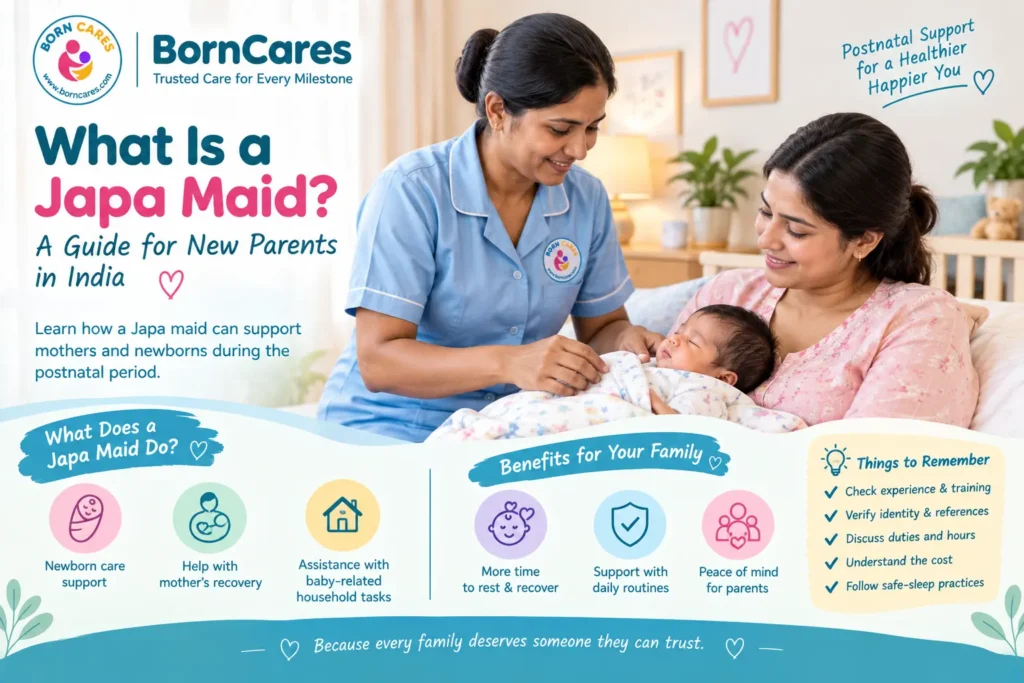
Welcoming a newborn baby is a special moment for every family. Along with happiness and excitement, the first few weeks after childbirth can also bring physical tiredness, changes in daily routines, and many questions about baby care. New mothers need time to recover from childbirth, while newborn babies require frequent feeding, diaper changes, gentle handling, and close attention.
In many Indian families, a Japa maid is hired to provide practical support to the mother and newborn during the postnatal period. A Japa maid may help with routine baby care, assist the mother with everyday recovery-related needs, and make the early weeks at home more manageable.
However, the duties and experience of Japa maids can vary. It is important to understand what services are included, what training the caregiver has, and when medical advice is necessary.
At BornCares, we believe every family deserves someone they can trust. This guide will help new parents understand Japa maid services in India and make a more informed decision about postnatal support.
1. What Is a Japa Maid?
A Japa maid is a caregiver hired to support a mother and newborn after childbirth. In India, the term is commonly used for a person who provides practical assistance during the postnatal period, particularly in the first few weeks after delivery.
Depending on the arrangement, a Japa maid may assist with routine newborn care, bathing support when appropriate, diaper changes, feeding-related tasks, and everyday help for the mother. Some caregivers also help with simple baby-related household tasks.
The word “Japa” is associated with traditional postnatal care practices in many Indian households. These practices vary between families and regions, so parents should discuss which tasks they want the caregiver to perform.
A Japa maid is not automatically a nurse, midwife, lactation consultant, or trained medical professional. Parents should verify the caregiver’s experience and qualifications rather than assuming that everyone offering Japa services has the same level of training.
2. What Does a Japa Maid Do?
A Japa maid’s responsibilities depend on the family’s needs, the caregiver’s training, and the agreed working hours. Before hiring, prepare a clear list of duties to avoid misunderstandings.
Newborn care support
A Japa maid may help with everyday newborn-care tasks such as:
- Changing diapers and maintaining gentle hygiene.
- Helping with clothing changes.
- Supporting feeding routines according to the parents’ instructions.
- Burping the baby when needed.
- Comforting the baby with gentle, appropriate methods.
- Helping prepare a clean and organized baby-care area.
- Observing the baby’s routine and sharing relevant updates with parents.
- Following safe-sleep practices during naps and nighttime sleep.
Parents should confirm which tasks the caregiver is comfortable and trained to perform. Babies who were born prematurely or have medical needs may require specialized support arranged with their healthcare team.
Support for the mother
After childbirth, a mother may need practical help while recovering and adjusting to life with a newborn. Depending on the agreement, a Japa maid may help with:
- Bringing the baby to the mother for feeding.
- Helping organize baby-care supplies.
- Assisting with simple tasks related to the baby’s routine.
- Providing practical support so the mother can rest when possible.
- Helping maintain an orderly baby-care space.
The caregiver should respect the mother’s comfort, privacy, choices, and cultural preferences. Any concerns about pain, bleeding, fever, breastfeeding difficulties, or recovery should be discussed with a qualified healthcare professional.
Baby-related household tasks
Some Japa maid arrangements include washing baby clothes, organizing supplies, or cleaning items used for baby care. Other arrangements focus only on the mother and newborn.
Ask which household tasks are included before the service begins. Do not assume that cooking, general house cleaning, or caring for other children is part of the package.
3. Why Do New Parents Hire a Japa Maid?
Every family has different needs. Some parents have relatives who can help after delivery, while others manage most responsibilities on their own. A Japa maid can provide additional practical support during this adjustment period.
Help during the early weeks
Newborns need frequent attention, and parents may still be learning how to feed, change, soothe, and settle their baby. A caregiver with relevant experience can assist with routine tasks and help parents become more familiar with daily care.
Support for postpartum recovery
Childbirth can be physically demanding. Practical help with newborn care may give the mother more opportunities to rest, eat regularly, and attend follow-up appointments.
A Japa maid does not replace medical postnatal care, prescribed treatment, or advice from a doctor or midwife.
Support for first-time parents
First-time parents may feel uncertain about handling a newborn, recognizing hunger cues, or managing diaper changes. A responsible caregiver can demonstrate routine tasks and follow the parents’ preferences.
Parents should remain involved in decisions about their baby and ask questions whenever they are unsure about a care practice.
Help for families without nearby relatives
Some families live away from their hometowns or do not have relatives available to stay after delivery. A Japa maid may help fill that practical support gap.
More organized daily routines
Having an agreed plan for feeding support, diaper changes, hygiene, and rest can make daily responsibilities easier to coordinate. A newborn’s routine will still change as the baby grows, so flexibility and communication remain important.
4. When Should You Hire a Japa Maid?
Families often begin looking for postnatal support before the baby arrives. Planning early gives parents time to compare providers, discuss responsibilities, check references, and arrange suitable dates.
A Japa maid may be hired:
- Before the expected delivery date, with a confirmed start date after birth.
- Immediately after the mother and baby return home, if appropriate.
- During the first few weeks when practical help is most needed.
- For a longer period if the family needs continued support and the arrangement allows it.
The ideal timing depends on the mother’s recovery, the baby’s needs, available family support, and the household’s budget.
If the mother or baby requires medical care after delivery, follow the advice of the healthcare team before arranging or changing home-care routines.
5. How Long Do Japa Maid Services Usually Last?
There is no single duration that suits every family. Some parents need support for a short period, while others prefer help for several weeks.
Common arrangements may include:
Short-term support
A family may arrange a few days or a limited number of weeks of support while adjusting to newborn care.
Several weeks of postnatal assistance
Some families prefer a longer arrangement to help them manage everyday tasks while the mother recovers and the parents build confidence.
Extended support
Families may choose longer support based on their needs, budget, and the caregiver’s availability.
The number of days or weeks should be agreed upon in advance. Confirm the start and end dates, working hours, weekly days off, payment terms, and whether an extension is possible.
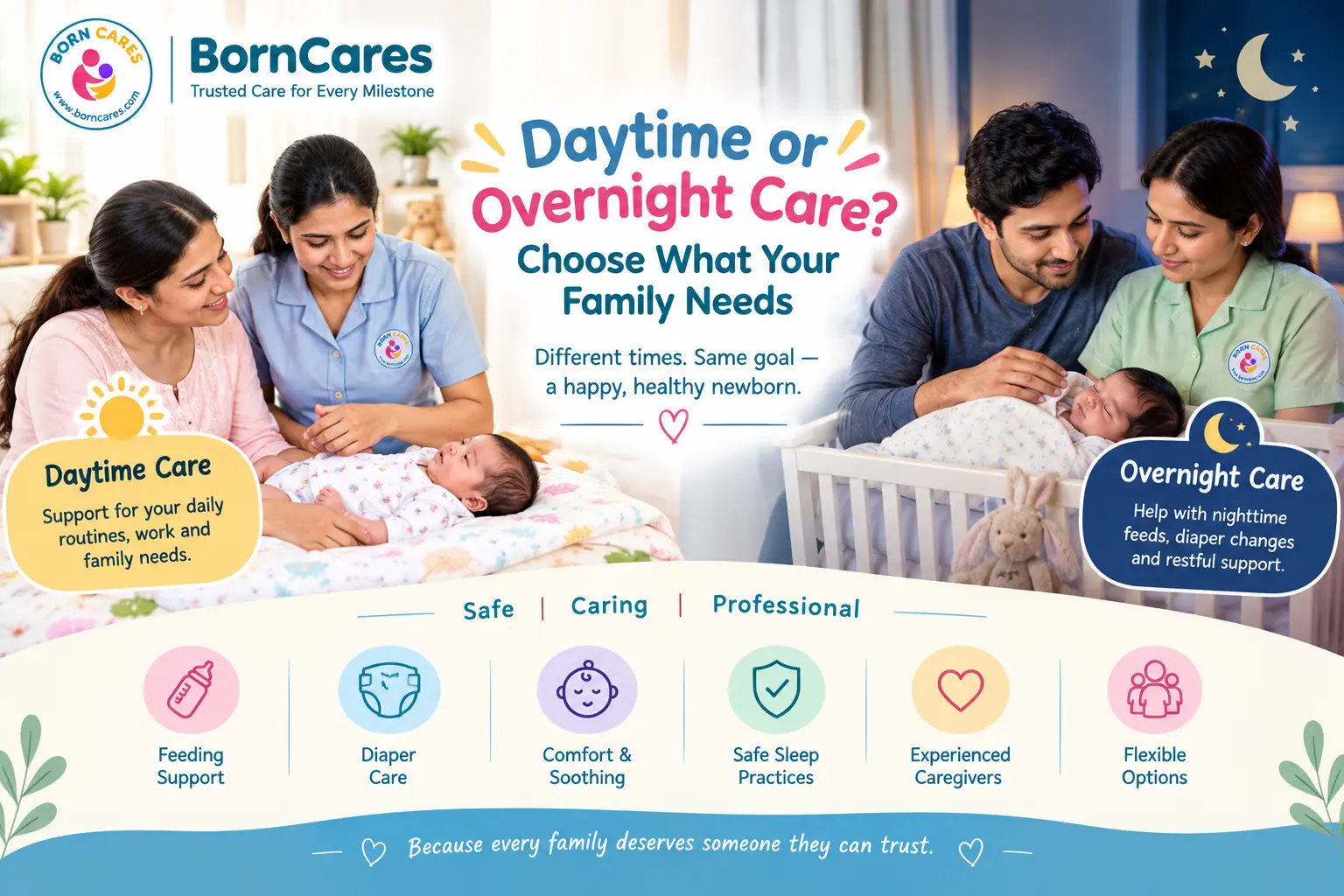
6. Daytime, Overnight, or 24-Hour Japa Maid Services
Japa maid services may be offered in different schedules. The exact meaning of each service can vary by provider, so always confirm the hours and responsibilities in writing.
Daytime Japa maid
Daytime support can help with routine newborn care and practical tasks while parents work, rest, or manage appointments.
Overnight Japa maid
Overnight support may help with agreed nighttime tasks such as diaper changes, soothing, and bringing the baby to the mother for feeding. It may create opportunities for parents to rest between the baby’s needs, but uninterrupted sleep cannot be guaranteed.
Extended or live-in arrangements
Some families request longer coverage or a live-in caregiver. Clarify the caregiver’s sleeping arrangements, breaks, rest periods, and whether they are expected to remain awake throughout any overnight shift.
A single caregiver should not be assumed to provide safe, alert 24-hour care without adequate rest. For continuous coverage, ask the provider how staffing and handovers are arranged.
7. Traditional Postnatal Practices: What Should Parents Know?
In India, postnatal customs can include massage, warm baths, particular foods, herbal preparations, and other family traditions. Practices differ across communities and households.
Parents should feel comfortable discussing which traditions they want to follow and which they do not. Cultural practices should never override the mother’s comfort, the baby’s safety, or medical advice.
Baby massage and bathing
Some families request baby massage or bathing support. Newborn skin is delicate, and techniques, products, and timing matter. Ask your pediatrician or another qualified healthcare professional for guidance, particularly if the baby was premature, has a skin condition, or has other medical concerns.
Do not allow vigorous handling, forceful stretching, or practices that make the baby uncomfortable.
Food and recovery routines for the mother
A family may prefer traditional foods during the postnatal period. The mother’s meals should still be appropriate to her health needs, dietary preferences, and any medical advice she has received.
A Japa maid should not recommend restrictive diets, supplements, or herbal remedies as medical treatment. Discuss nutrition, pain, bleeding, fever, or breastfeeding concerns with the mother’s healthcare professional.
Rest and emotional support
Rest and practical support can be helpful after childbirth. Families should also be alert to ongoing sadness, severe anxiety, or feelings of being unable to cope. These concerns deserve compassionate professional support, not judgment.
8. How to Choose a Reliable Japa Maid in India
Choosing a caregiver is an important decision because the person may be involved in the care of both mother and newborn. Take time to check experience, responsibilities, communication, and safety practices.
Check newborn-care experience
Ask how long the caregiver has worked with newborns and what types of duties they have performed. Experience alone does not prove competence, so ask for specific examples of routine care and how they respond when a baby seems unwell.
Ask about training
Find out whether the caregiver has training in newborn care, infant first aid, or CPR. Ask what they would do if the baby had difficulty breathing, became unusually unresponsive, or developed a concerning symptom.
Verify identity and references
Ask the service provider about identity verification and reference checks. Where possible, speak to previous families and ask about reliability, communication, hygiene, and how the caregiver followed instructions.
Discuss the exact duties
Prepare a written list of tasks. Confirm whether the caregiver will provide newborn care only or also help the mother, wash baby clothes, or perform other agreed duties.
Assess communication and respect
A suitable caregiver should listen to the parents, respect their choices, explain when they are unsure, and communicate concerns promptly.
Discuss privacy and household rules
Agree on phone use, visitors, privacy, handling of baby photographs, and who may receive information about the family. Establish expectations before the first day.
Confirm fees and working hours
Discuss the total cost, shift length, breaks, weekly days off, additional-hour charges, and cancellation or replacement arrangements.
9. What Questions Should You Ask Before Hiring?
Before confirming a Japa maid, consider asking:
- What experience do you have caring for newborn babies?
- What specific tasks are included in your service?
- Have you received any newborn-care or first-aid training?
- Can you provide references from previous families?
- What identity checks have been completed?
- How do you follow safe-sleep practices?
- What would you do if the baby developed a fever or had difficulty breathing?
- Are feeding support and baby-related household tasks included?
- What are your working hours, breaks, and days off?
- What is the total cost, and are there any additional charges?
- How will you communicate with parents about feeding, diapers, and unusual behavior?
- What happens if you are unavailable or need to be replaced?
The answers can help you compare providers and set clear expectations.
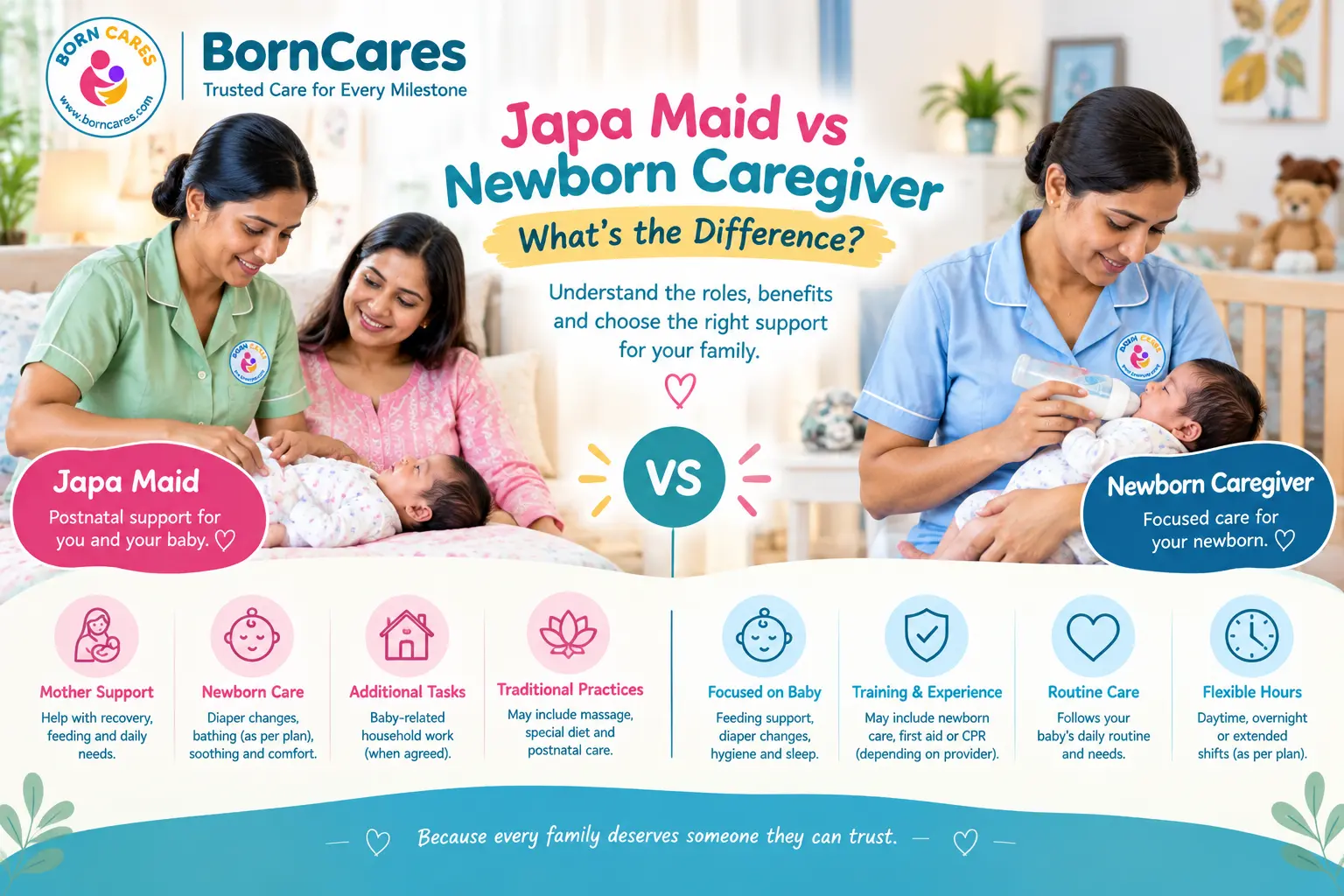
10. Japa Maid vs Newborn Caregiver: What Is the Difference?
The terms may overlap, but they do not always describe the same service.
A Japa maid commonly provides practical postnatal support for the mother and newborn in an Indian household. The arrangement may include traditional household expectations, depending on the family and provider.
A newborn caregiver generally refers to someone whose agreed responsibilities focus on routine infant care, such as feeding support, diaper changes, soothing, hygiene, and safe sleep.
Neither title guarantees a particular qualification. Parents should verify the actual experience, training, duties, and limits of each person’s role.
If the mother or baby needs medical assessment, nursing care, lactation treatment, or specialized support, arrange it with an appropriately qualified professional.
11. How Much Does a Japa Maid Cost in India?
The cost of Japa maid services varies by city, shift length, experience, duties, and whether the arrangement is daytime, overnight, live-in, or extended.
Instead of relying on a single general price, request a current quote based on your specific needs.
Ask providers to explain:
- The number of hours per day.
- The number of days or weeks required.
- Whether the caregiver will stay overnight.
- Whether meals or accommodation are included in a live-in arrangement.
- Whether travel, holidays, extra hours, or urgent bookings cost more.
- What happens if the caregiver cannot attend.
- Whether the provider offers a written service agreement.
Do not choose a service based on price alone. Relevant experience, references, safety practices, clear communication, and reliable arrangements are also important.
BornCares can help families enquire about available home-based newborn-care and postnatal support options. Contact the provider directly for current availability and pricing for your location and schedule.
12. Important Safety Tips for Newborn Care at Home
Whether a family hires a Japa maid or relies on relatives, basic newborn safety practices should remain consistent.
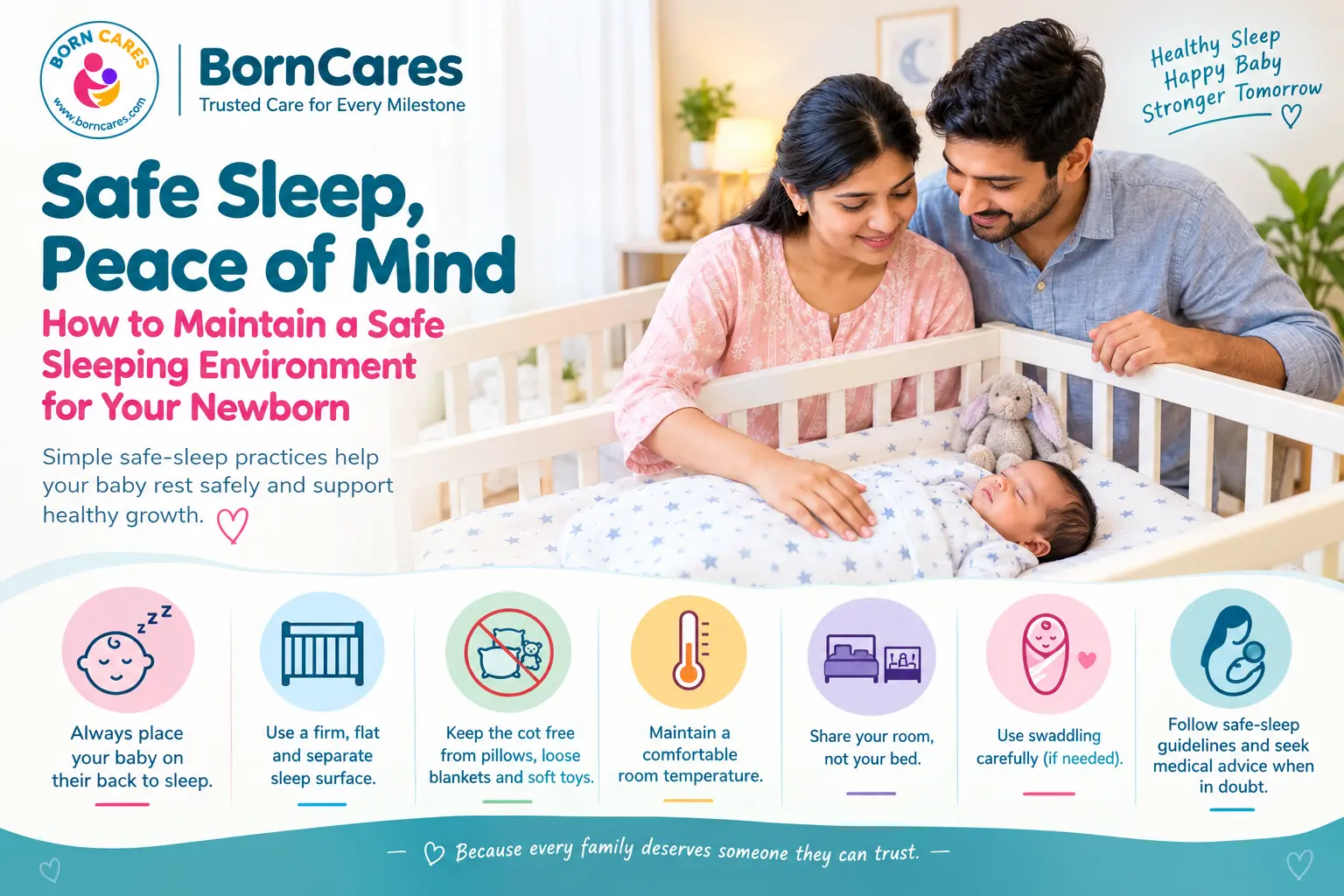
Safe sleep
Place the baby on their back for every sleep on a firm, flat, separate infant sleep surface. Keep pillows, loose blankets, and soft toys out of the cot.
Feeding hygiene
Follow appropriate handwashing and feeding-equipment hygiene. Prepare and store breast milk or formula according to current healthcare guidance and product instructions.
Gentle handling
Always support a newborn’s head and neck. Never shake a baby or use forceful movements.
Recognizing warning signs
Seek urgent medical assessment if a baby under three months has a temperature of 38°C (100.4°F) or higher. Breathing difficulty, blue or grey skin, seizures, or unresponsiveness require emergency help.
Maternal recovery
The mother should contact her healthcare professional about concerning symptoms such as heavy bleeding, fever, severe pain, breathing difficulty, or significant emotional distress.
A caregiver should not diagnose medical conditions, give unapproved medicines or remedies, or delay professional care.
13. Frequently Asked Questions
What is the main purpose of a Japa maid?
The main purpose is to provide practical support to a mother and newborn during the postnatal period. Duties vary by provider and should be agreed upon before the service begins.
Is a Japa maid the same as a nurse?
No. A Japa maid is not automatically a qualified nurse or medical professional. Verify training and qualifications, and arrange medical care when required.
How many days should I hire a Japa maid for?
The duration depends on the family’s needs, the mother’s recovery, available support, and budget. Discuss the schedule with your family and healthcare professional where relevant.
Can a Japa maid help with breastfeeding?
A caregiver may assist with practical tasks, such as bringing the baby to the mother or helping organize feeding supplies. For latch problems, pain, milk-supply concerns, or other breastfeeding difficulties, consult a qualified lactation professional or healthcare provider.
Can a Japa maid stay overnight?
Some providers offer overnight or live-in arrangements. Confirm exact hours, responsibilities, breaks, sleeping arrangements, and whether the caregiver is expected to remain awake during the shift.
How do I find a trustworthy Japa maid?
Ask about newborn-care experience, training, references, identity checks, safe-sleep knowledge, emergency procedures, and fees. Use a clear written agreement.
Conclusion
A Japa maid can provide valuable practical support to families adjusting to life with a newborn. Depending on the arrangement, this may include routine baby care, feeding-related assistance, hygiene, and help with everyday postnatal needs.
The most important step is to choose support that fits your family’s requirements and clearly understand the caregiver’s qualifications and responsibilities. Check references, discuss fees and working hours, and make sure safe newborn-care practices are followed.
Remember that traditional postnatal support is not a substitute for medical care. Consult qualified healthcare professionals for concerns about the mother’s recovery, feeding difficulties, or the baby’s health.
At BornCares, we understand that every family’s journey is different. With thoughtful planning, reliable support, and clear communication, parents can approach the early weeks with greater confidence.
Because every family deserves someone they can trust.
Health note: This article provides general educational information and does not replace medical advice from a qualified healthcare professional.