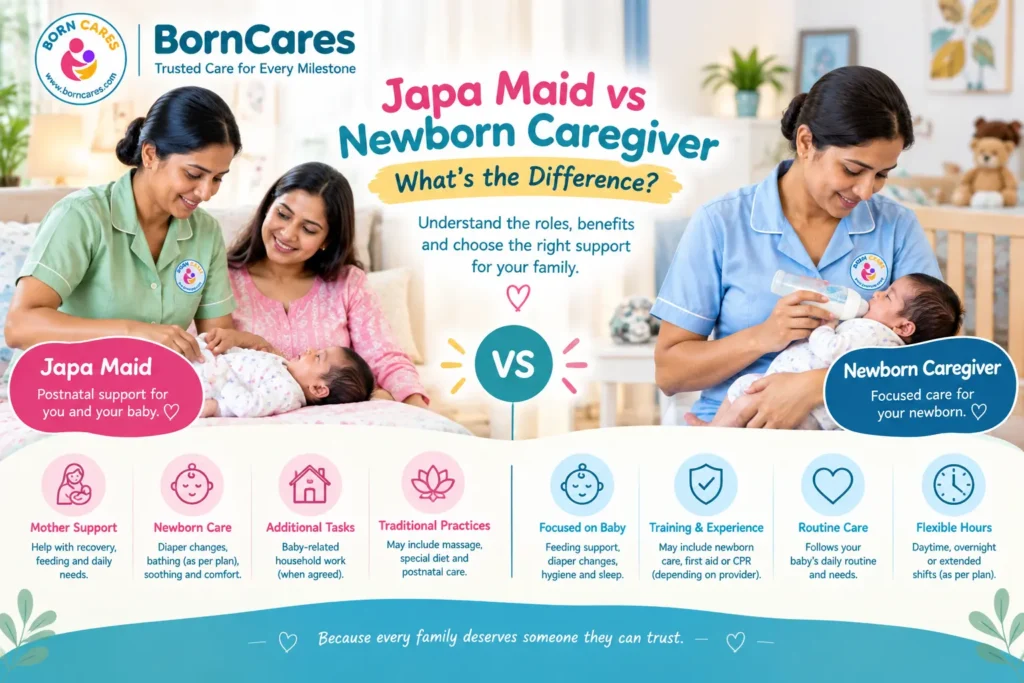
Welcoming a newborn is one of the most beautiful moments in a family’s life. However, caring for a newborn while recovering from childbirth can be physically and emotionally demanding. Parents need time to adjust to feeding routines, diaper changes, baby hygiene, sleep interruptions, and the many responsibilities that come with a new baby.
Many Indian families consider hiring a Japa maid or a newborn caregiver for support during this period. Although these terms are sometimes used interchangeably, the services may differ depending on the caregiver’s experience, training, and responsibilities.
A Japa maid commonly provides practical support to a mother and newborn during the postnatal period. A newborn caregiver generally focuses on the baby’s everyday care and routine. However, job titles alone do not guarantee particular skills or qualifications, so parents should always check what each person can safely do.
At BornCares, we believe every family deserves someone they can trust. In this guide, we explain the differences between a Japa maid and a newborn caregiver, their common responsibilities, their benefits, and how to choose the right support for your family.
1. What Is a Japa Maid?
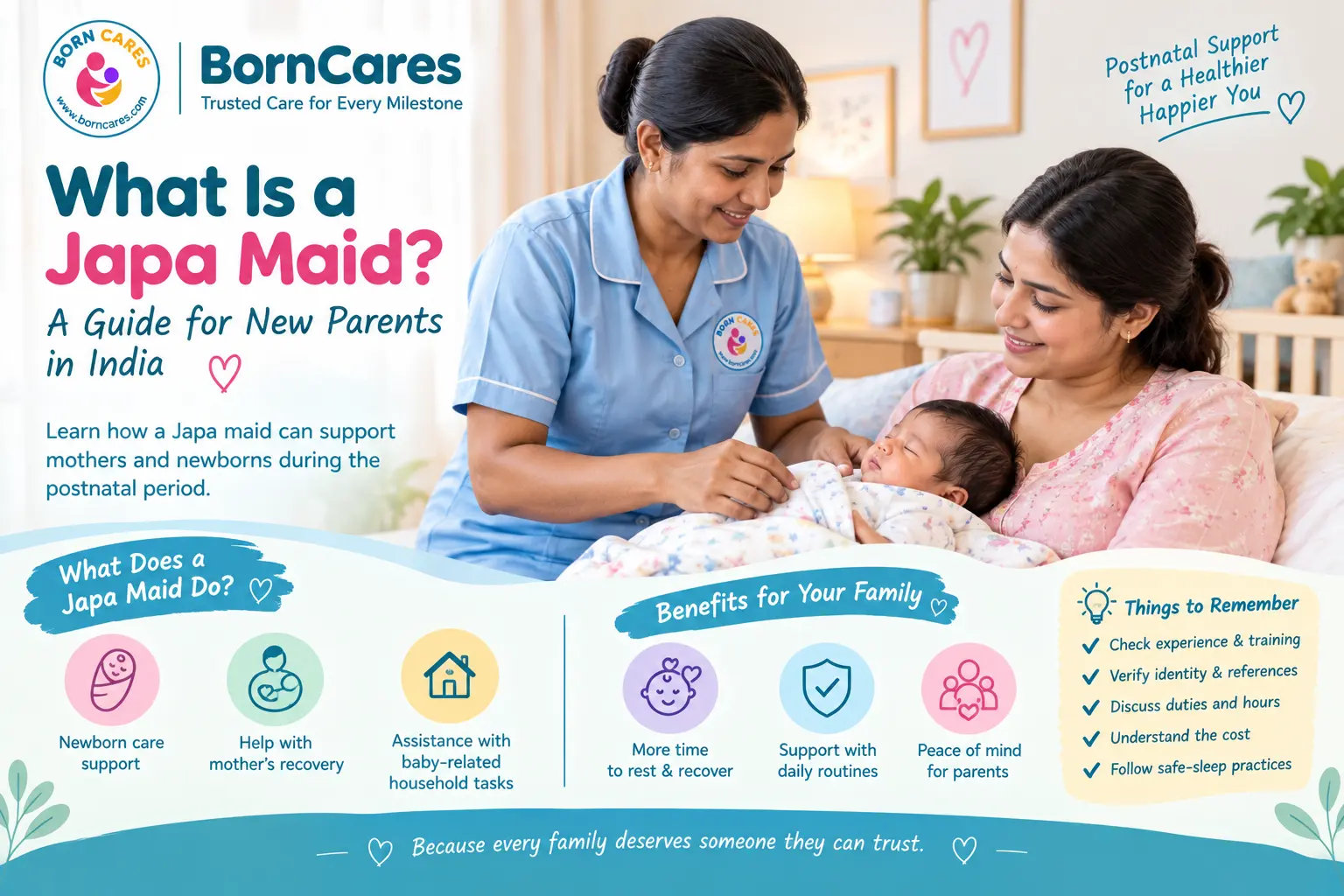
A Japa maid is a caregiver commonly hired in India to provide practical assistance to a mother and newborn after childbirth. Families may arrange this support for the first few weeks or for a longer period, depending on their needs.
Traditional Japa services may include help with routine newborn care, assistance with baby-related tasks, and practical support for the mother while she recovers from childbirth.
The exact responsibilities vary from one provider to another. Some Japa maids focus mainly on the mother and baby, while others may also help with washing baby clothes or organizing baby-care supplies.
Common responsibilities of a Japa maid
Depending on the agreed arrangement, a Japa maid may:
- Assist with routine diaper changes and baby hygiene.
- Help change the baby’s clothes.
- Support feeding routines according to parental instructions.
- Help burp and comfort the baby.
- Assist with organizing baby-care supplies.
- Help with agreed baby-related household tasks.
- Bring the baby to the mother for breastfeeding when needed.
- Provide practical support so the mother can rest when possible.
Some families also request traditional postnatal practices, such as massage-related support. These practices should be discussed in advance and carried out only when appropriate, with attention to the mother’s and baby’s safety.
A Japa maid is not automatically a nurse, midwife, lactation consultant, or other qualified healthcare professional. Parents should verify any relevant training and seek professional medical advice when required.
2. What Is a Newborn Caregiver?
A newborn caregiver is a person who provides practical, day-to-day support focused on the care and well-being of a newborn baby.
The role generally involves routine infant-care tasks, following the parents’ instructions, maintaining appropriate hygiene, and observing the baby for changes that should be reported to the parents.
Newborn caregivers may work during the day, overnight, or for agreed extended shifts. The specific responsibilities depend on their experience, training, and service agreement.
Common responsibilities of a newborn caregiver
A newborn caregiver may help with:
- Routine diaper changes and gentle hygiene.
- Feeding support according to the baby’s feeding plan.
- Burping and age-appropriate soothing.
- Changing clothes and keeping baby-care supplies organized.
- Following safe-sleep practices.
- Observing feeding patterns and diaper output.
- Communicating changes in the baby’s behavior to the parents.
- Maintaining a clean and organized baby-care area.
- Helping parents learn everyday newborn-care routines.
A caregiver should know when to contact the parents and when an urgent medical concern requires professional help.
Some newborn caregivers have additional training in infant first aid, CPR, or specialized newborn care. Others may not. Always verify training rather than assuming it based on the job title.
3. Japa Maid vs Newborn Caregiver: Key Differences
The main difference often lies in the emphasis of the service. Japa maid services may include both practical postnatal support for the mother and routine baby care. Newborn caregiver services generally emphasize the baby’s daily care.
However, there is no universal definition that applies to every provider. Always confirm the actual duties and qualifications before hiring.
| Feature | Japa Maid | Newborn Caregiver |
|---|---|---|
| Main focus | Practical support for the mother and newborn | Routine care focused on the newborn |
| Common setting | Indian households during the postnatal period | Homes requiring newborn-care support |
| Baby-care duties | Often includes routine hygiene, diaper changes, and soothing | Often includes feeding support, diaper changes, soothing, and safe sleep |
| Mother’s support | May include practical help during postnatal recovery | Usually depends on the agreed duties |
| Traditional practices | May be requested by some families | Not necessarily included |
| Baby-related household tasks | May be included by agreement | Usually limited to agreed baby-care tasks |
| Training | Varies by individual and provider | Varies by individual and provider |
| Medical qualifications | Not guaranteed by the job title | Not guaranteed by the job title |
| Working hours | Daytime, overnight, or other agreed shifts | Daytime, overnight, or other agreed shifts |
Important: Neither title automatically means the caregiver is medically qualified. Experience, training, references, and clearly defined responsibilities matter more than the title alone.
4. Which Service Is Better for New Parents?
There is no single best choice for every family. The right service depends on the kind of support you need after childbirth.
A Japa maid may suit your family if:
- You want practical support for both the mother and newborn.
- The mother needs help managing everyday tasks during recovery.
- You want assistance with agreed postnatal routines.
- You need help organizing baby-care supplies or washing baby clothes.
- Your family follows particular cultural practices that you want to discuss with the caregiver.
- You prefer a service that combines routine newborn care with agreed mother-related support.
A newborn caregiver may suit your family if:
- Your main priority is everyday newborn care.
- You need help with feeding support, diaper changes, and soothing.
- You want assistance with the baby’s daytime or nighttime routine.
- You need a caregiver who understands safe-sleep practices.
- You want help learning routine newborn-care skills.
- You prefer clearly defined responsibilities focused on the baby.
What if you need both types of support?
Some families need a combination of services. For example, a mother may need practical postnatal assistance while the baby also needs dedicated care during particular hours.
You may be able to find one caregiver whose verified skills and agreed duties cover both needs. In other situations, separate professionals may be more appropriate.
Discuss your priorities with the service provider before deciding. If the mother or baby has medical needs, consult the relevant healthcare professional about the appropriate level of care.
5. Understanding Postnatal Support for Mothers
After childbirth, mothers need time to recover physically and adjust emotionally. The recovery experience differs depending on the type of delivery, individual health, available support, and other circumstances.
A Japa maid may provide practical help that allows the mother to focus on recovery and bonding with her baby.
Depending on the arrangement, this may include:
- Bringing the baby to the mother for feeding.
- Helping organize baby-care items.
- Assisting with routine baby-care tasks.
- Helping maintain an orderly baby-care area.
- Taking care of agreed baby-related chores.
- Providing practical support so the mother can rest when possible.
However, practical assistance is not the same as medical postnatal care. A caregiver should not diagnose the mother’s symptoms, recommend unapproved treatments, or replace prescribed medical care.
If the mother experiences heavy bleeding, fever, severe pain, breathing difficulties, or significant emotional distress, she should contact a qualified healthcare professional promptly.
Parents should feel comfortable discussing personal preferences, privacy, and boundaries before the caregiver begins work.
6. Understanding Everyday Newborn Care
Newborns need frequent feeding, diaper changes, comfort, and safe sleep. Parents may need help learning how to handle these routines confidently.
A newborn caregiver can help with everyday tasks while following the family’s instructions and appropriate safety practices.
Feeding support
A caregiver may help prepare the feeding area, bring the baby to the breastfeeding parent, or support bottle-feeding according to the agreed plan.
For breastfeeding difficulties, concerns about milk supply, or feeding problems, parents should seek advice from a qualified lactation professional or healthcare provider.
Diaper changes and hygiene
Routine diaper changes and gentle cleaning help keep the baby comfortable. Caregivers should follow appropriate handwashing and hygiene practices.
Soothing and comforting
Newborns may cry because they are hungry, tired, uncomfortable, or need closeness. A caregiver can try gentle, age-appropriate soothing techniques and tell parents if the baby’s crying or behavior seems unusual.
Safe sleep
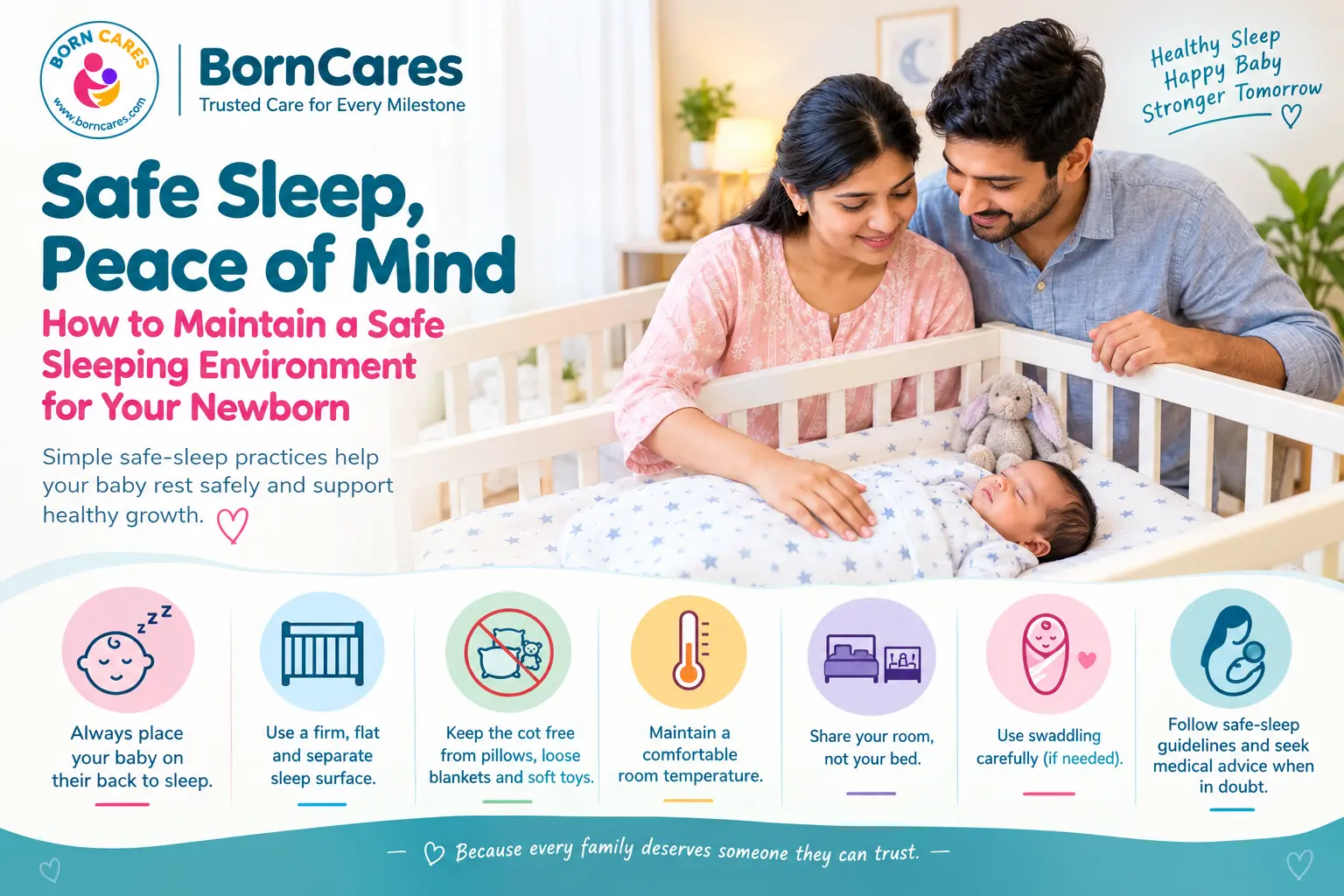
Safe sleep is essential for every newborn, regardless of who provides care.
The baby should be placed on their back for every sleep, on a firm, flat, separate infant sleep surface. Keep pillows, loose blankets, and soft toys out of the sleeping area.
Parents should confirm that every caregiver understands and follows these practices.
7. Can a Japa Maid Also Work as a Newborn Caregiver?
Yes, one person may provide both types of support if they have the relevant experience, can safely perform the agreed duties, and have sufficient time to complete them.
For example, a family might want someone who can assist with routine newborn care while also helping organize baby-related tasks during the mother’s recovery.
Before hiring, clarify:
- Which newborn-care tasks are included.
- Whether support for the mother is included.
- Whether baby-related household tasks are expected.
- What training or experience the caregiver has.
- Whether overnight support is available.
- What duties are outside the caregiver’s role.
- How medical concerns and emergencies should be handled.
Do not assume that one person can safely provide continuous care around the clock. Caregivers need adequate rest and breaks. If your family needs coverage across the full day and night, ask how the provider plans shifts and handovers.
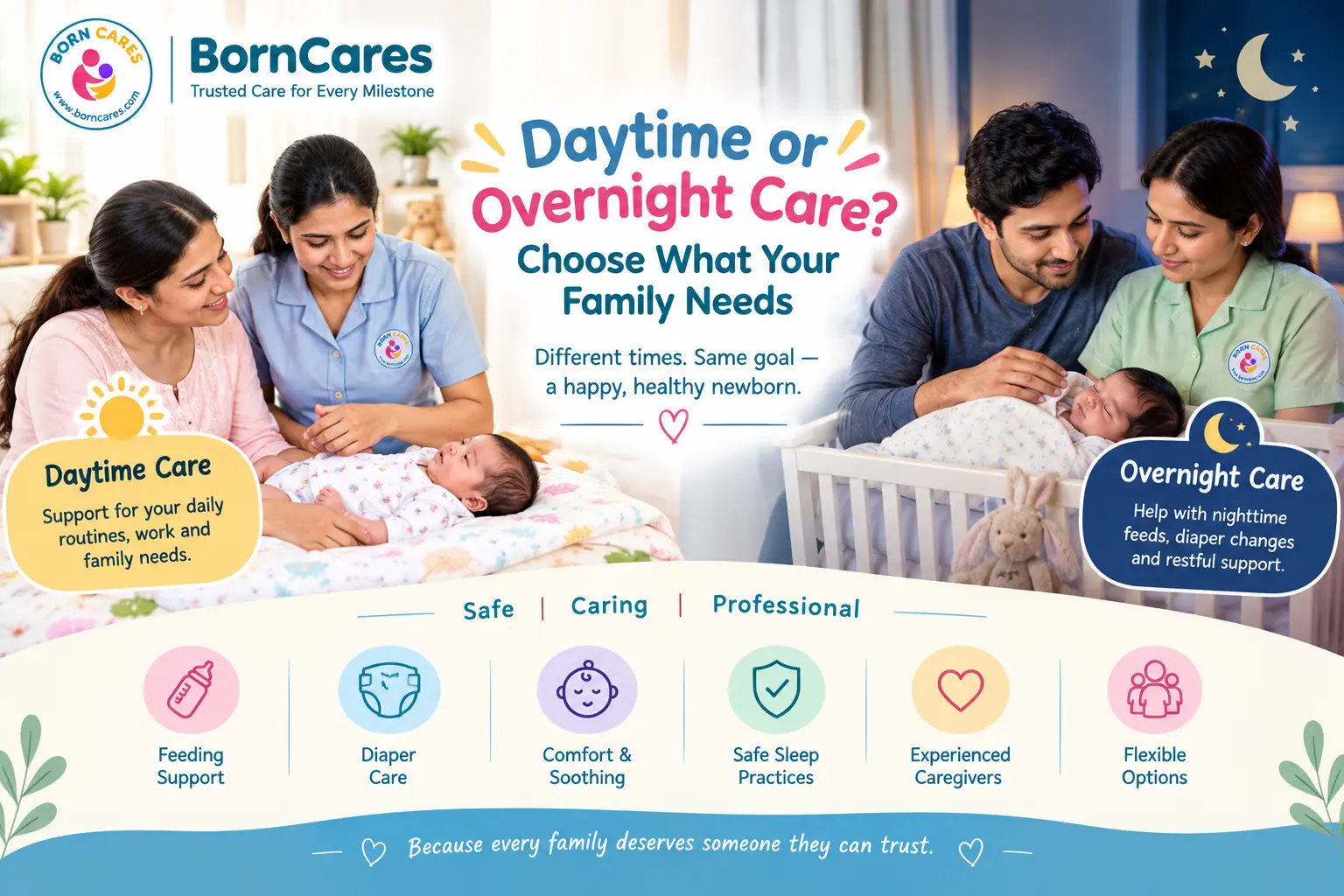
8. Daytime vs Overnight Support
Both Japa maid services and newborn caregiver services may be available for different schedules, depending on the provider.
Daytime support
Daytime support may help parents manage routine newborn care while they work, rest, attend appointments, or look after other children.
Overnight support
Overnight support may help with agreed tasks such as diaper changes, soothing, and bringing the baby to the mother for feeding.
It can provide opportunities for parents to rest between the baby’s needs, but it does not guarantee uninterrupted sleep.
Extended or live-in arrangements
Some families require longer hours or a live-in arrangement. Confirm working hours, breaks, sleeping arrangements, weekly days off, and what happens when the caregiver is unavailable.
A single caregiver should not be expected to remain continuously alert for 24 hours without appropriate rest. Safe staffing and clear handovers are important when families need extended coverage.
9. How Much Does a Japa Maid or Newborn Caregiver Cost?
The cost of these services varies depending on location, working hours, experience, responsibilities, and the type of arrangement.
Japa maid and newborn caregiver services may have different rates, but their titles alone do not determine the cost. A provider’s exact duties and the caregiver’s relevant skills are important factors.
When requesting a quote, ask about:
- Number of hours per day.
- Daytime or overnight shifts.
- Number of days or weeks required.
- Caregiver experience and relevant training.
- Live-in arrangements, meals, or accommodation, if applicable.
- Additional-hour or holiday charges.
- Replacement arrangements if the caregiver is unavailable.
- Any booking fees or other additional costs.
Request a written breakdown so you can compare services fairly.
For BornCares services, families can enquire about availability and current pricing based on their location, preferred schedule, and required type of support. Confirm the final rate directly with the provider.
10. How to Choose the Right Caregiver
Whether you hire a Japa maid or a newborn caregiver, selecting a reliable person is essential.
Check relevant experience
Ask how long the person has worked with newborns and which tasks they have performed. Ask about experience with babies of a similar age and any special requirements your baby may have.
Ask about training
Find out whether the caregiver has training in newborn care, infant first aid, or CPR. Ask what they would do if the baby had difficulty breathing or developed a concerning symptom.
Verify identity and references
Ask the provider what identity checks and reference checks have been completed. Where possible, contact previous families and ask about reliability, communication, and safety practices.
Discuss duties in writing
Write down the responsibilities, hours, breaks, fees, and expectations for communication. Be clear about which household tasks are included.
Discuss safe-sleep practices
Ask the caregiver to explain how they prepare the baby’s sleep space and position the baby for sleep.
Check communication skills
A suitable caregiver should listen to your instructions, respect your choices, report concerns promptly, and ask for clarification when necessary.
Prepare an emergency plan
Share emergency contacts and discuss what to do if the baby becomes unresponsive, has breathing difficulties, or shows other urgent warning signs.
11. Questions to Ask Before Hiring
Before choosing a caregiver, ask these questions:
- What experience do you have with newborn babies?
- What duties are included in your service?
- Can you support the mother as well as the baby?
- Have you received newborn-care or infant first-aid training?
- Can you provide references from previous families?
- What identity checks have been completed?
- How do you follow safe-sleep practices?
- How will you communicate feeding, diaper, and sleep updates?
- What are your working hours, breaks, and days off?
- What is the total cost, including any additional charges?
- What happens if you are unavailable?
- What would you do if the baby became unwell?
These questions help you understand what you are paying for and whether the arrangement fits your family’s needs.
12. Frequently Asked Questions
Is a Japa maid the same as a newborn caregiver?
Not always. A Japa maid commonly provides practical support for the mother and newborn during the postnatal period. A newborn caregiver generally focuses on routine infant care. However, duties can overlap and vary by provider.
Which is better for first-time parents?
The better choice depends on the help you need. A Japa maid may be suitable when you want support for both the mother and baby. A newborn caregiver may suit families primarily seeking help with the baby’s daily care.
Can a Japa maid help with breastfeeding?
A Japa maid may assist with practical tasks, such as bringing the baby to the mother for feeding. Breastfeeding difficulties, pain, latch problems, or milk-supply concerns should be discussed with a qualified lactation professional or healthcare provider.
Does a newborn caregiver need medical qualifications?
Not every newborn caregiver has medical qualifications. Ask about relevant experience and training, and arrange qualified medical care if your baby needs clinical assessment or specialized treatment.
Can I hire a caregiver for just a few hours?
Some providers offer part-time or shorter shifts, while others may have minimum booking requirements. Confirm availability and fees directly with the provider.
When should I book a caregiver?
If possible, research options before your baby arrives. This gives you time to compare providers, check references, discuss responsibilities, and arrange a schedule.
Conclusion
Choosing between a Japa maid and a newborn caregiver depends on the kind of support your family needs after childbirth.
A Japa maid may provide practical assistance to both the mother and newborn, depending on the agreed duties. A newborn caregiver generally focuses on routine infant care, including feeding support, diaper changes, soothing, hygiene, and safe sleep.
The most important consideration is not simply the job title. Check the caregiver’s experience, training, references, responsibilities, communication, and understanding of newborn safety.
At BornCares, we understand that every family has different needs. The right support should help parents feel more confident while ensuring that their newborn receives attentive and appropriate care.
Because every family deserves someone they can trust.
Health note: This article provides general educational information and does not replace advice from a qualified healthcare professional. Consult a professional about maternal recovery, feeding difficulties, or any concerns about your newborn’s health.