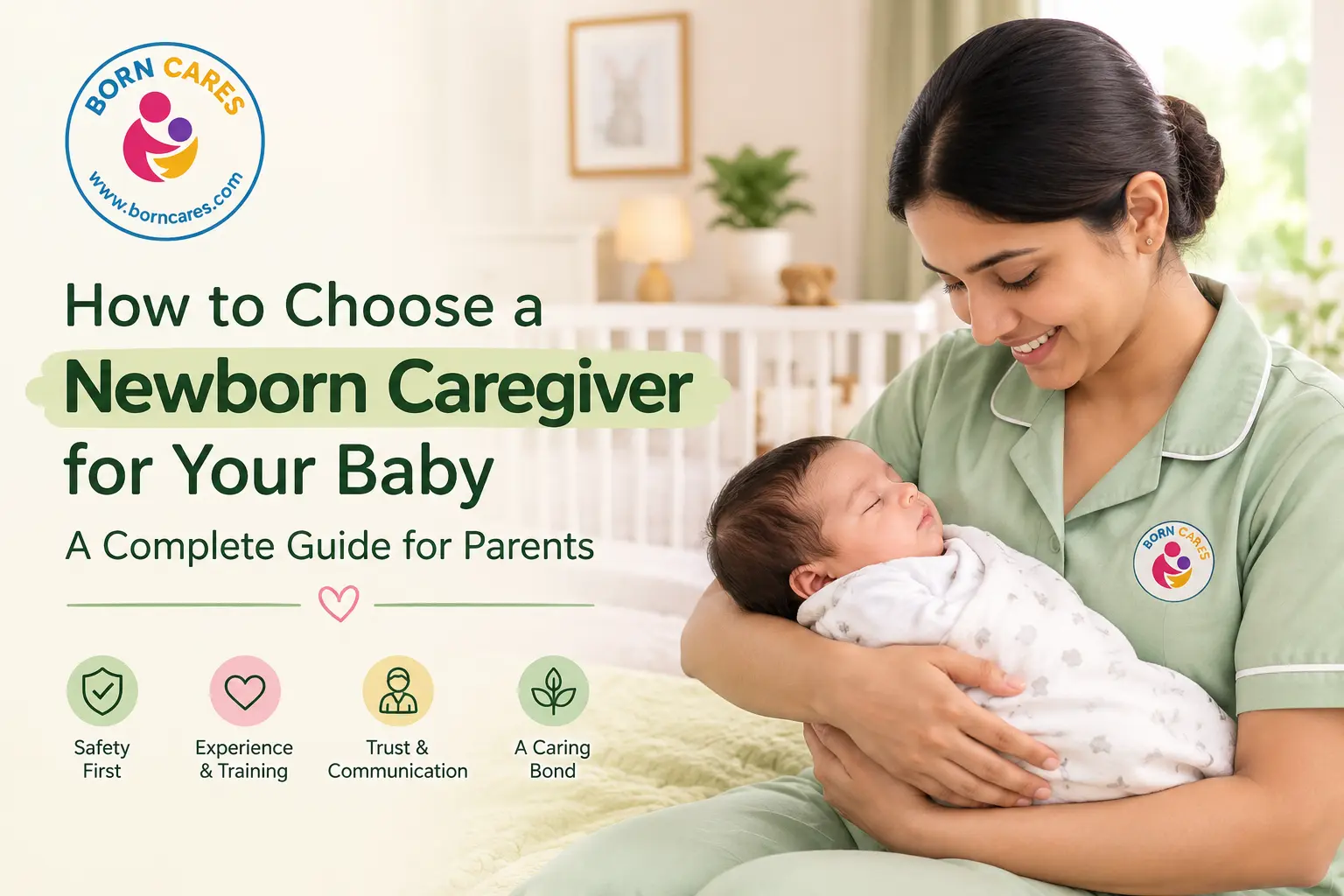

Bringing a newborn home is a wonderful experience, but it also comes with many questions. One of the most important concerns for new parents is how to help their baby sleep safely. Newborns spend a large part of their day sleeping, so creating a safe sleeping environment is an essential part of newborn care.
A comfortable room, a suitable cot or bassinet, and a consistent safe-sleep routine can help reduce preventable risks while your baby rests. Parents, family members, and newborn caregivers should all understand the basic safety practices recommended for infant sleep.
At BornCares, we believe that every family deserves reliable information and trusted support during the early stages of parenthood. This guide explains how to prepare your baby’s sleeping space, choose appropriate bedding, maintain a comfortable room temperature, and avoid common sleep-related hazards.
1. Why Is a Safe Sleeping Environment Important?
Newborn babies have developing bodies and limited ability to move away from hazards. Soft bedding, an unsuitable sleeping surface, overheating, and unsafe sleeping positions can increase the risk of sleep-related injury or death.
A safe sleeping environment helps reduce these risks and gives parents a clear routine to follow. Although no arrangement can eliminate every risk, following established infant safe-sleep guidance is an important protective step.
Safe sleep involves more than choosing a comfortable bed. It includes:
- Placing your baby in the correct sleeping position.
- Using a firm, flat surface designed for infant sleep.
- Keeping the sleep area free from pillows, loose blankets, and soft toys.
- Avoiding overheating.
- Keeping your baby’s sleep space close to your bed, while separate from your own sleeping surface.
- Ensuring everyone who cares for your baby follows the same safety rules.
These practices apply during nighttime sleep and daytime naps.
2. Always Place Your Baby on Their Back to Sleep
One of the most important safe-sleep practices is to place your newborn on their back for every sleep, including naps.
Back sleeping is recommended because it reduces the risk of sudden infant death syndrome (SIDS) compared with placing babies on their stomachs or sides.
Remember these key points:
- Put your baby on their back whenever you place them down to sleep.
- Do not use side sleeping as an alternative.
- Do not place your baby on their stomach to help them sleep more deeply.
- Make sure grandparents, relatives, babysitters, and newborn caregivers know and follow this rule.
Some parents worry that a baby might choke while sleeping on their back. For most healthy babies, back sleeping does not increase the risk of choking. If your baby has a specific medical condition that requires different positioning, follow individualized instructions from your baby’s doctor.
When your baby is awake and supervised, tummy time can help support development. Tummy time is different from sleep, and your baby should be returned to their back when placed down to sleep.
3. Choose a Firm, Flat, Separate Sleeping Surface
Your baby should sleep on a firm, flat, level surface specifically designed for infant sleep, such as a safety-approved cot, crib, or bassinet that meets applicable standards.
The mattress should fit the cot correctly, without gaps where a baby could become trapped. Use only the mattress and fitted sheet designed or approved for that sleeping product.
Avoid allowing your newborn to sleep routinely on:
- Sofas or armchairs.
- Adult beds.
- Cushioned chairs or beanbags.
- Soft mattresses or waterbeds.
- Inclined sleepers or products that keep the baby’s head elevated.
- Car seats, swings, or bouncers outside their intended use.
If your baby falls asleep in a car seat, swing, or other sitting device, move them to a suitable flat sleep surface as soon as it is practical and safe to do so. Car seats should still be used correctly for travel.
Do not use pillows, folded quilts, towels, or extra padding to make a mattress softer or raise your baby’s head. If you are concerned about reflux, congestion, or another medical issue, ask your baby’s doctor for guidance rather than elevating the mattress.
4. Keep the Cot Free from Loose Bedding and Soft Objects
A newborn’s sleeping area should be simple and uncluttered. Objects that seem soft and comforting to adults can create risks for babies who cannot move away from them reliably.
Keep the following items out of the cot or bassinet:
- Pillows and cushions.
- Loose blankets and quilts.
- Soft toys and stuffed animals.
- Cot bumpers and padded liners.
- Sleep positioners and anti-roll devices.
- Loose fabric, cords, and unnecessary accessories.
Use a fitted sheet that stays securely on the mattress. Do not add a separate sheet over your baby or cover the mattress with extra padding.
If you are worried that your baby may feel cold, choose suitable sleep clothing or an appropriately sized, non-weighted wearable blanket designed for infant use. Follow the product instructions and avoid anything that can cover your baby’s face.
A clear sleeping space is easier to inspect and helps caregivers follow a consistent routine.
5. Maintain a Comfortable Room Temperature
Newborns can become too warm if they wear too many layers or sleep in a hot room. Overheating is a concern during infant sleep, so keep the room comfortably cool and dress your baby appropriately.
Helpful practices include:
- Dress your baby in clothing suitable for the room temperature.
- Avoid heavy layers, thick quilts, and excessive wrapping.
- Keep your baby’s head uncovered during sleep.
- Keep the cot away from direct heaters and strong sources of heat.
- Check your baby’s chest or back to assess whether they seem too warm.
Warm hands and feet alone do not necessarily mean that a baby is cold. If your baby’s chest feels hot, or the baby is sweating or appears flushed, remove an unnecessary layer and reassess the environment.
There is no single room temperature that is ideal for every home, climate, and baby. Use local pediatric guidance and your baby’s condition to help choose suitable clothing.
In warm Indian weather, ensure the room is comfortable and well ventilated. If using a fan or air conditioner, avoid directing an uncomfortable stream of cold air directly at your baby. Do not cover your newborn’s face with a cloth to protect them from air conditioning.
6. Share Your Room, Not Your Bed
For newborns, a safer arrangement is to have the baby sleep in their own cot or bassinet in the parents’ room, close to the adult bed.
Room-sharing allows parents to monitor and feed their baby more conveniently while maintaining a separate sleep surface. Many safe-sleep recommendations advise room-sharing for at least the first six months, when possible.
Avoid bed-sharing, especially with a newborn. The risk is particularly high if an adult is extremely tired, has consumed alcohol, uses sedating medication or drugs, or smokes. Sofas and armchairs are especially dangerous places to fall asleep while holding a baby.
If you bring your baby into bed for feeding or comforting, return them to their own sleep space before you fall asleep. If you think you may doze off, plan ahead and avoid feeding or comforting your baby on a sofa or armchair.
Keep the cot or bassinet near your bed, but follow its instructions for placement, assembly, and use. Never attach or position a product in a way that creates gaps or trapping hazards.
7. Use Swaddling Carefully
Some parents use swaddling to help settle a newborn. Swaddling involves wrapping the baby securely in a light fabric, but it must be done correctly.
If you choose to swaddle:
- Always place the swaddled baby on their back.
- Use a lightweight fabric and avoid overheating.
- Keep the fabric away from the face and neck.
- Ensure the hips and legs can bend and move naturally.
- Do not use weighted swaddles or weighted blankets.
- Stop swaddling as soon as your baby shows signs of trying to roll.
A baby who rolls onto their stomach while swaddled may be unable to reposition safely. Once rolling attempts begin, use suitable sleep clothing that leaves the arms free instead.
Swaddling is optional, not essential. If you are uncertain how to swaddle safely, ask a qualified healthcare professional to demonstrate the technique.
8. Establish a Calm Bedtime Routine
Newborns do not immediately develop a regular day-and-night sleep pattern. They often wake frequently to feed, and their sleep schedules can vary from day to day.
A calm routine can help make bedtime more predictable without forcing a newborn to sleep for long periods.
You might try:
- Checking whether your baby is hungry.
- Changing a wet or dirty diaper.
- Feeding your baby according to their cues.
- Burping when needed.
- Dimming the lights and reducing noise.
- Speaking softly or singing gently.
- Placing your baby on their back in the safe cot or bassinet.
The routine does not need to be long. A few familiar steps can be enough.
Do not use sleep training techniques that involve withholding feeds from a newborn. Young babies need frequent feeding, and feeding schedules should reflect their age, growth, and healthcare professional’s advice.
If your baby is unusually sleepy, difficult to wake for feeds, or feeding poorly, seek medical advice rather than assuming that the baby is simply a good sleeper.
9. Monitor Your Baby Without Creating New Hazards
It is natural for parents to want to check their sleeping baby frequently. You can do this by looking at your baby and observing their breathing, color, and general condition.
If you use a baby monitor, position it safely and keep cords, cables, and electronic equipment away from the cot. A monitor does not replace safe-sleep practices or direct observation when your baby needs care.
Consumer movement monitors and other devices have not been shown to prevent SIDS. Do not rely on a monitor to make an unsafe sleep arrangement safe.
Check the cot before each sleep to ensure:
- The mattress and fitted sheet are secure.
- No toys, pillows, or loose blankets have been added.
- The baby’s face and head will remain uncovered.
- There are no accessible cords or dangling objects.
- The baby is positioned on their back.
Everyone who looks after your baby should follow the same checks.
10. Common Safe-Sleep Mistakes to Avoid
Even well-meaning parents can develop habits that are not safe for a newborn. Being aware of common mistakes helps families make safer choices.
Using a pillow to support the baby’s head
Pillows and head-shaping cushions should not be placed in a newborn’s sleep area. Use a firm, flat mattress with a fitted sheet.
Letting the baby sleep on a sofa
A sofa can create gaps and soft surfaces that increase the risk of suffocation or entrapment. Transfer a sleeping baby to a suitable infant sleep surface.
Covering the baby with a thick blanket
Loose bedding can cover the face. Use suitable sleep clothing instead of loose blankets.
Putting the baby to sleep on the side
Side sleeping is not as safe or stable as placing the baby on their back. Start every sleep on the back.
Raising the mattress for reflux
Do not incline the cot mattress or use pillows to elevate the head unless a qualified medical professional has given specific instructions for an appropriate medical device or situation.
Overdressing the baby
Too many layers can cause overheating. Choose clothing based on the room temperature and keep the baby’s head uncovered.
Assuming every caregiver knows safe-sleep rules
Family members and paid caregivers may have different habits or advice from previous generations. Explain your expectations clearly and check that everyone understands them.
11. How Newborn Caregivers Can Help Maintain Safe Sleep
A responsible newborn caregiver can help parents maintain consistent routines and a safe sleep space. Before care begins, discuss your family’s expectations and ask about the caregiver’s newborn-care experience and safety training.
A caregiver’s responsibilities may include:
- Preparing the cot or bassinet before sleep.
- Placing the baby on their back for naps and nighttime sleep.
- Keeping loose bedding and soft objects out of the sleep space.
- Checking clothing and room conditions to avoid overheating.
- Following the parents’ feeding and care instructions.
- Informing parents about unusual sleep behavior or other concerns.
- Knowing when to contact parents or emergency services.
Ask whether the caregiver has infant first aid and CPR training, and discuss what to do if the baby becomes unresponsive or has difficulty breathing.
A caregiver should not use unapproved sleep products, give medication to make a baby sleep, or ignore medical warning signs. Caregiver support complements parental responsibility and professional medical advice; it does not replace either.
At BornCares, families can explore home-based childcare and newborn-care support suited to their needs. When arranging care, make safe sleep an essential part of the discussion.
12. When Should You Seek Medical Advice?
Contact your baby’s healthcare professional if you have questions about sleep, feeding, breathing, or your newborn’s general health.
Seek urgent medical attention if your baby has difficulty breathing, turns blue or grey, becomes unresponsive, has a seizure, or is unusually difficult to wake. If your newborn has a temperature of 38°C (100.4°F) or higher and is under three months old, seek urgent medical assessment.
Do not delay emergency help to check a monitor or try home remedies.
If your baby snores persistently, has repeated breathing pauses, feeds poorly, or seems unusually sleepy, discuss these concerns with a qualified healthcare professional.
13. Frequently Asked Questions
What is the safest sleeping position for a newborn?
Place your baby on their back for every sleep, including naps. Do not place them on their side or stomach for sleep unless a qualified healthcare professional has provided specific individualized instructions.
Can my newborn sleep with a pillow?
No. Keep pillows, cushions, soft toys, and loose bedding out of the newborn’s sleep space. Use a firm, flat mattress and a fitted sheet.
Should my baby sleep in the same bed as me?
The safer recommendation is to share a room while giving your baby a separate cot or bassinet. Avoid bed-sharing, and never sleep with a baby on a sofa or armchair.
How do I keep my baby warm at night?
Dress your baby in suitable sleep clothing for the room temperature. Avoid excessive layers and loose blankets, and keep the head uncovered. Check the chest or back if you are concerned about overheating.
Is swaddling safe for newborns?
Swaddling can be used carefully if the baby is placed on their back, the hips can move freely, and overheating is avoided. Stop as soon as the baby shows signs of trying to roll.
How often should I check my sleeping newborn?
Check your baby regularly and respond to their needs. Follow safe-sleep practices every time rather than relying on a monitor or frequent checks to compensate for an unsafe sleep space.
Conclusion
Maintaining a safe sleeping environment is one of the most important parts of newborn care. Always place your baby on their back, choose a firm and flat infant sleep surface, keep the cot free from pillows and loose bedding, and avoid overheating. Room-sharing with a separate sleep space is safer than bed-sharing.
Simple habits can make a meaningful difference. Prepare the sleeping area before every nap, follow the same routine with every caregiver, and seek medical advice whenever you are concerned about your baby’s health or breathing.
At BornCares, we understand that new parents need trustworthy information and practical support. With safe-sleep habits, clear communication, and guidance from qualified healthcare professionals, families can build a safer environment for their newborn.
Because every family deserves someone they can trust.
Health note: This article provides general educational information and does not replace individualized advice from your baby’s pediatrician or another qualified healthcare professional.