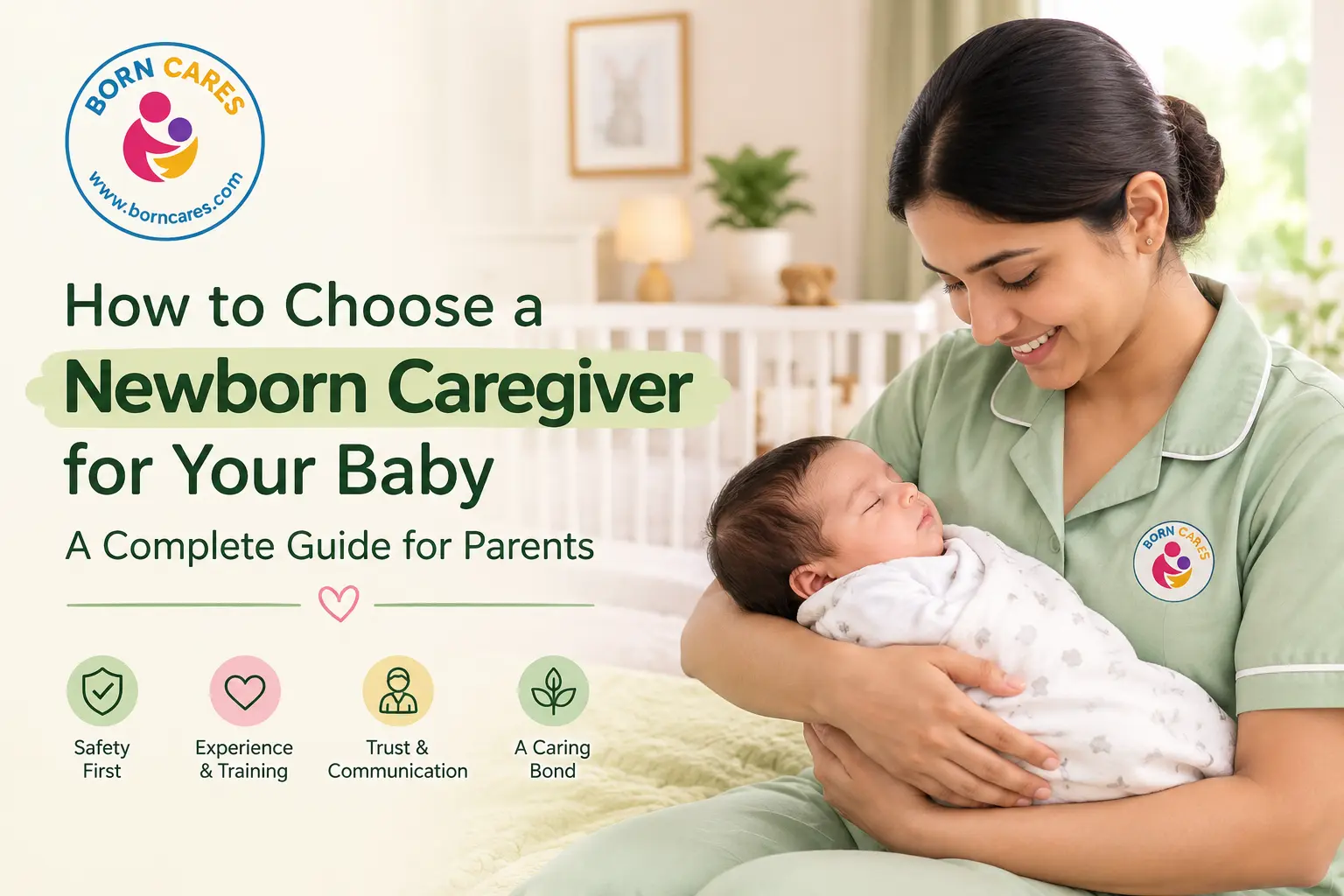

Choosing the right newborn caregiver is one of the most important decisions new parents make. The first few weeks and months of a baby’s life require special attention, gentle handling, hygiene, and a safe environment. While parents want to give their baby the best possible care, professional support at home can make daily routines easier and more comfortable.
A reliable newborn caregiver can help parents manage feeding routines, diaper changes, soothing, and other everyday newborn care tasks. But how do you find someone you can trust with your little one?
In this guide, we explain the essential qualities to look for, questions to ask, safety checks to complete, and mistakes to avoid when choosing a newborn caregiver.
1. Understand Your Baby’s Care Needs
Before hiring a caregiver, identify the type of support your family requires.
- Newborn care: Assistance with everyday infant care, diaper changes, soothing, and maintaining a comfortable environment.
- Night-time support: Help with routine newborn care during the night so parents can get some rest.
- Full-time care: Regular assistance throughout the day according to your family’s agreed schedule.
- Postnatal support: Practical household and baby-care assistance for a family after childbirth.
- Specialized newborn support: Additional support for premature babies or infants with specific medical needs, coordinated with qualified healthcare professionals.
Understanding your needs helps you choose a caregiver with the appropriate experience and availability.
2. Check Experience and Training
Experience matters when caring for a newborn. Look for someone who understands the needs of young infants and knows how to handle them gently.
Ask about their experience with:
- Holding and handling newborns safely.
- Diaper changing and maintaining hygiene.
- Recognizing feeding cues and following parents’ feeding instructions.
- Burping and soothing a baby.
- Safe sleep practices.
- Recognizing warning signs that require medical attention.
Ask whether the caregiver has relevant newborn-care training, infant first-aid training, or CPR certification. Verify certificates where possible. Experience alone does not replace appropriate training.
3. Verify Identity and References
Trust should be supported by proper verification.
Before hiring a newborn caregiver, consider these checks:
- Verify the caregiver’s identity using appropriate documents.
- Check references from previous families, with their permission.
- Confirm previous work experience and employment details.
- Conduct appropriate background verification, subject to applicable law and consent.
- If using an agency, ask how caregivers are screened and what verification documents are provided.
Never rely only on a social media profile or verbal assurances. Keep a record of the caregiver’s agreed duties, schedule, payment, and emergency procedures.
4. Prioritize Hygiene and Baby Safety
Newborns need a clean environment and careful handling. Observe how a potential caregiver behaves during an interview or practical discussion.
A responsible caregiver should understand the importance of:
- Washing hands before handling the baby.
- Keeping feeding and changing supplies clean.
- Following parents’ instructions for feeding and expressing breast milk.
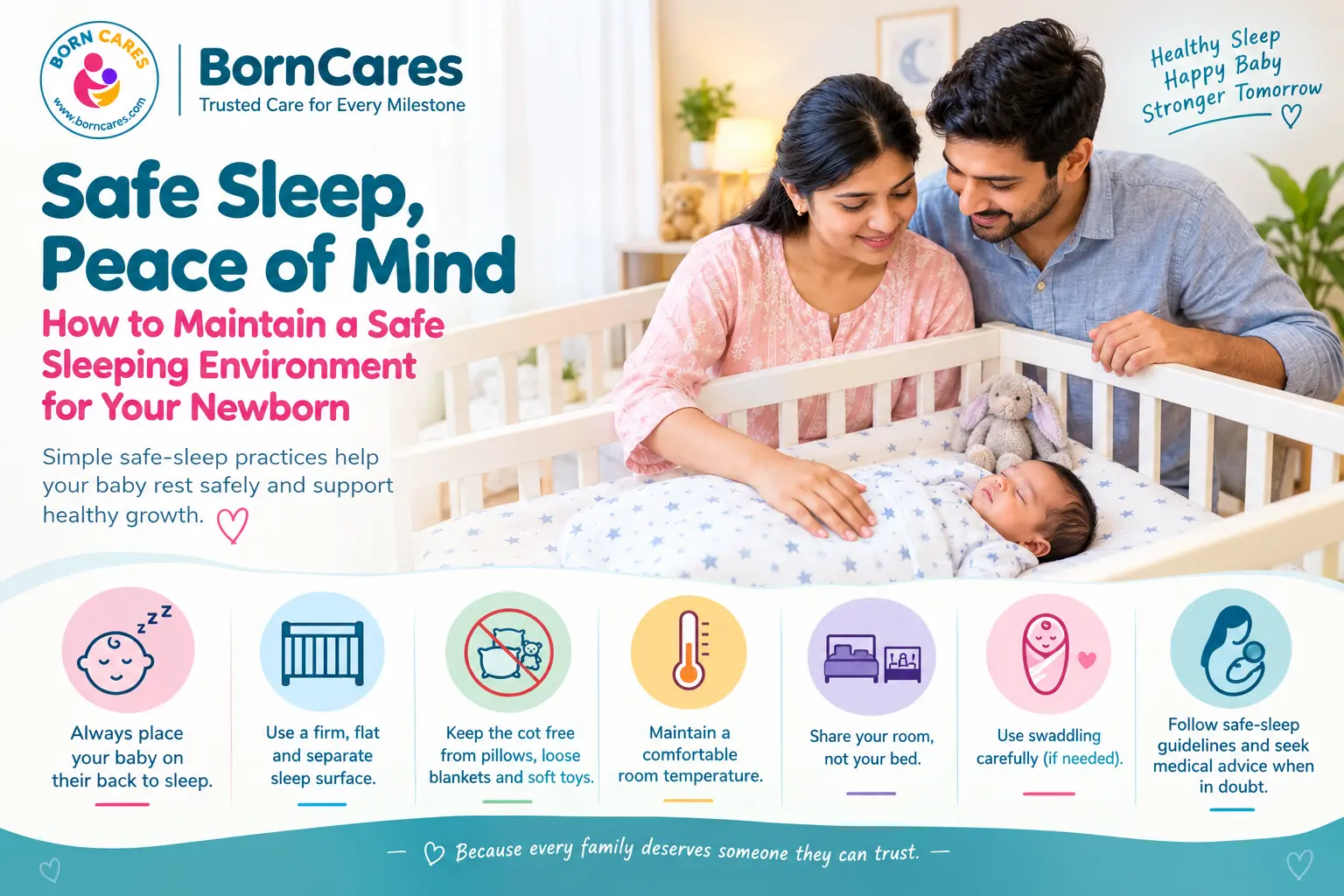
- Placing the baby on their back to sleep on a firm, flat sleep surface without loose bedding, pillows, or soft toys.
- Never shaking a baby.
- Never leaving a baby unattended on a bed, changing table, or other elevated surface.
- Keeping the baby away from smoke and other environmental hazards.
For babies with medical needs, follow the instructions of the baby’s pediatrician rather than relying on a caregiver’s personal advice.
5. Evaluate Communication and Personality
Technical knowledge is important, but so are patience, responsibility, and communication.
Look for a caregiver who:
- Handles the baby calmly and gently.
- Listens carefully to parents’ instructions.
- Communicates feeding, sleeping, and diaper-change updates.
- Respects family routines and privacy.
- Remains calm when the baby cries.
- Is honest about their experience and limitations.
During the interview, notice whether the caregiver welcomes questions and explains their approach clearly. A trustworthy caregiver should be comfortable discussing safety and asking for help when needed.
6. Ask These Questions Before Hiring
Use these questions during your interview to understand whether a caregiver is suitable for your family.
| Question | Why it matters |
|---|---|
| How much newborn-care experience do you have? | Helps assess relevant experience. |
| Have you cared for babies of a similar age? | Establishes familiarity with your baby’s stage. |
| What safe sleep practices do you follow? | Checks knowledge of an essential safety area. |
| What would you do if the baby developed a fever or had difficulty breathing? | Assesses whether the caregiver knows when to seek urgent medical help. |
| Can you provide references? | Helps verify previous work. |
| Are you comfortable following our feeding and care routine? | Checks compatibility with family instructions. |
| What are your working hours and responsibilities? | Clarifies expectations and availability. |
Discuss salary, weekly rest, overtime, leave, replacement arrangements, and emergency contact procedures before confirming the hiring decision.
7. Arrange a Trial or Supervised Introduction
Before starting a regular arrangement, arrange a supervised introduction when practical.
During this time:
- Explain your baby’s routine and specific needs.
- Demonstrate how you want everyday tasks handled.
- Observe the caregiver’s hygiene and handling practices.
- Encourage questions about feeding, sleeping, and soothing.
- Explain whom to contact in an emergency.
- Review how daily updates will be shared.
A trial period can help both the parents and caregiver determine whether the arrangement is suitable. It should never replace identity verification or safety checks.
8. Understand the Difference Between a Newborn Caregiver and a Medical Professional
A newborn caregiver generally provides practical, everyday assistance. Unless appropriately qualified and authorized, they should not diagnose illnesses, prescribe medication, or perform medical procedures.
If your baby was born prematurely, has breathing difficulties, requires specialized feeding, or has another medical condition, discuss the care arrangement with your pediatrician. You may need a qualified healthcare professional rather than a general caregiver.
Seek urgent medical attention if your newborn has difficulty breathing, becomes unusually unresponsive, or develops other serious warning signs.
9. Compare Costs and Working Arrangements
Newborn caregiver costs vary depending on location, experience, working hours, duties, and the level of care required.
When comparing options, consider:
- Part-time, full-time, or night-time schedules.
- The caregiver’s relevant experience and training.
- Weekly rest days and overtime charges.
- Agency fees, if applicable.
- Replacement policies and cancellation terms.
- Additional charges for specialized care.
Do not choose solely on the basis of the lowest price. Confirm the total cost and responsibilities in writing before hiring.
10. Common Mistakes to Avoid
Avoid these mistakes when selecting newborn care support:
- Hiring without checking identity and references.
- Assuming years of experience automatically mean safe practices.
- Skipping discussions about safe sleep and emergency procedures.
- Leaving responsibilities unclear.
- Ignoring communication problems during the interview.
- Expecting a caregiver to perform medical duties outside their qualifications.
- Failing to explain the baby’s routine and individual needs.
The best arrangement is one where parents feel informed, the caregiver understands their responsibilities, and the baby’s safety remains the priority.
At BornCares, we understand that welcoming a newborn brings happiness, new responsibilities, and many questions. Finding suitable support at home can help families manage their baby’s everyday care with greater confidence.
BornCares helps families explore home-based childcare options, including newborn care, babysitter and nanny services, and postnatal support, according to their requirements.
When exploring a caregiver through BornCares, discuss your baby’s age, required working hours, specific care needs, and expectations so the available options can be assessed appropriately. Always confirm the caregiver’s experience, verification, responsibilities, and availability before finalizing an arrangement.
Because every family deserves someone they can trust.
- Website: www.borncares.com
- Explore services: Visit the BornCares website to learn more about available care options.
- Enquire: Share your location, baby’s age, preferred timing, and type of care required.
Frequently Asked Questions (FAQs)
1. When should I hire a newborn caregiver?
You can begin researching caregivers before your baby’s arrival or whenever your family needs additional support. Allow enough time for interviews, verification, and a supervised introduction.
2. What qualifications should a newborn caregiver have?
Look for relevant newborn-care experience, safe handling knowledge, hygiene awareness, good references, and appropriate first-aid or CPR training where available.
3. Is it safe to hire a newborn caregiver at home?
It can be a suitable option when you complete appropriate verification, check references, establish clear responsibilities, and ensure the caregiver follows safe infant-care practices.
4. Can a newborn caregiver help at night?
Some caregivers offer night-time arrangements. Confirm their hours, duties, rest periods, availability, and the tasks they will be responsible for.
5. What is the difference between a nanny and a newborn caregiver?
A nanny often provides broader childcare for babies and children, while a newborn caregiver focuses on the everyday care needs of a young infant. Duties vary by provider, so clarify the scope before hiring.
6. How much does a newborn caregiver cost in India?
Costs depend on the city, working hours, experience, duties, and any specialized requirements. Request a detailed quotation based on your family’s needs.
Final Thoughts
Choosing the right newborn caregiver requires patience, careful verification, and clear communication. Focus on safety, relevant experience, hygiene, references, and a willingness to follow your family’s instructions.
The right support can make everyday newborn care more manageable while helping parents feel more confident during an important stage of family life.
Looking for newborn care support at home? Visit BornCares to explore childcare services and discuss your family’s requirements.